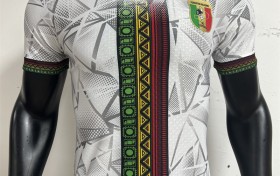
Embarking on a journey to master the art of sewing jersey fabric can be an exciting yet challenging endeavor. Jersey fabric, known for its stretchy and comfortable nature, is a popular choice for making clothing items like t-shirts, dresses, and activewear. Whether you are a beginner or an experienced sewer, this ultimate guide will equip you with the knowledge and skills to sew jersey fabric like a pro.

Understanding Jersey Fabric
Before diving into the sewing process, it is crucial to understand the properties of jersey fabric. Unlike woven fabrics, jersey is a knit fabric made from a single yarn that loops back on itself to create a stretchy and soft texture. This unique construction makes jersey fabric ideal for items that require flexibility and comfort. However, it also poses some challenges, such as the potential for stretching and the need for a different sewing technique.
Choosing the Right Jersey Fabric
Selecting the right jersey fabric is the first step in creating a successful project. When choosing jersey fabric, consider the following factors:
1. Fabric Weight: Jersey fabric comes in various weights, ranging from lightweight to heavy. Choose a fabric weight that suits your project&039;s intended use. Lightweight jersey is perfect for t-shirts and dresses, while heavier jersey is ideal for outerwear and activewear.
2. Fiber Content: Jersey fabric can be made from various fibers, including cotton, spandex, polyester, and blends. Each fiber has its unique properties, so choose a fiber that aligns with your project&039;s requirements.
3. Color and Pattern: Choose a color and pattern that complement your project&039;s design. Keep in mind that darker colors may be more prone to showing stretch marks, while lighter colors may be more prone to fraying.
Preparing Your Workspace
A well-prepared workspace is essential for successful jersey fabric sewing. Here are some tips to help you set up your workspace:
1. Ironing Board: Use an ironing board to press your fabric and patterns. This will ensure that your fabric is smooth and wrinkle-free before cutting and sewing.
2. Cutting Table: A cutting table with ample space will allow you to cut your fabric accurately and comfortably.
3. Scissors and Rulers: Use sharp, fabric-friendly scissors for cutting jersey fabric. A ruler and a cutting mat will help you maintain straight lines and accurate cuts.
4. Pins and Thread: Pins are essential for holding your fabric in place while sewing. Choose a thread that matches your fabric color and is suitable for jersey fabric.
Cutting and Preparing Your Fabric
Cutting jersey fabric requires a different approach than cutting woven fabrics. Here are some tips to help you cut and prepare your jersey fabric:
1. Grain Line: Ensure that the grain line of your fabric runs parallel to the selvage. This will help maintain the fabric&039;s stretch and prevent distortion.
2. Cutting Method: Use a rotary cutter and a mat for clean, precise cuts. Cut small pieces of fabric first, then gradually move on to larger pieces.
3. Cutting Direction: Cut your fabric with the stretch going across the width, as this will provide the most stretch and comfort in your finished garment.
Sewing Techniques for Jersey Fabric
Sewing jersey fabric requires a different approach than sewing woven fabrics. Here are some essential techniques to help you sew jersey fabric like a pro:
1. Use a Ballpoint Needle: Ballpoint needles are designed for use with stretchy fabrics like jersey. They prevent the fabric from snagging and breaking the thread.
2. Choose the Right Thread: Use a thread that matches your fabric color and is suitable for jersey fabric. Coated threads, such as Microtex, are ideal for sewing jersey.
3. Stretch and Sew: When sewing jersey fabric, stretch the fabric slightly as you sew. This will help maintain the fabric&039;s stretch and prevent the seams from becoming tight or puckered.
4. Finish Seams: Finish your seams with a serger or a zigzag stitch to prevent fraying. This will give your garment a professional finish.
5. Press Your Garment: Press your garment with a steam iron to remove any wrinkles and set the seams.
Conclusion
Sewing jersey fabric can be a rewarding and enjoyable experience once you master the techniques. By understanding the properties of jersey fabric, choosing the right materials, and using the appropriate sewing techniques, you can create beautiful and comfortable garments. With this ultimate guide, you are well on your way to becoming a jersey fabric sewing pro!