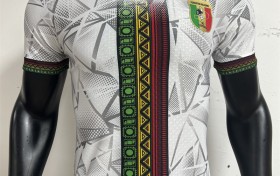
Polyester jersey fabrics have emerged as a popular choice in the textile industry, and for good reason. With their versatility, comfort, and durability, they have become a favorite among clothing manufacturers, designers, and consumers alike. In this article, we will unlock the secrets behind the popularity of polyester jersey fabrics and explore their unique features that set them apart from other materials.

Firstly, let&039;s delve into the composition of polyester jersey fabrics. Polyester, a synthetic fiber, is known for its excellent strength, flexibility, and resistance to wrinkles, stretching, and fading. The jersey fabric, on the other hand, is a type of knitted fabric characterized by its stretchiness and smooth texture. The combination of these two materials creates a fabric that is both comfortable and functional.
One of the primary reasons for the popularity of polyester jersey fabrics is their versatility. This fabric can be used to create a wide range of clothing items, from casual tees to sportswear, activewear, and even formal attire. The stretchiness of the jersey allows for a comfortable fit, making it ideal for garments that need to accommodate a range of body shapes and sizes. Additionally, the fabric&039;s ability to recover its shape after stretching means that it can be used to create clothes that maintain their shape over time.
Another key factor contributing to the popularity of polyester jersey fabrics is their comfort. The smooth texture of the fabric provides a soft, gentle touch against the skin, which is especially important for activewear and casual clothing. Moreover, the breathable nature of polyester jersey fabrics helps to regulate body temperature, keeping the wearer cool and comfortable even during intense physical activity.
Durability is another characteristic that has made polyester jersey fabrics a hit in the textile industry. Unlike natural fibers, which can be prone to shrinkage, fading, and pilling, polyester jersey fabrics are highly resistant to these issues. This means that clothes made from this fabric can withstand frequent washing and wearing without losing their shape or color. As a result, polyester jersey fabrics are an excellent choice for long-lasting clothing items that can be worn time and again.
Moreover, the cost-effectiveness of polyester jersey fabrics cannot be overlooked. Compared to natural fibers such as cotton and wool, polyester is a more affordable material. This makes it a viable option for clothing manufacturers looking to produce budget-friendly products without compromising on quality. The low cost of production also translates to lower retail prices for consumers, making polyester jersey fabrics an accessible choice for everyone.
In addition to their practical benefits, polyester jersey fabrics also offer design possibilities that are hard to match. The fabric&039;s smooth texture and ability to stretch make it ideal for various sewing techniques, such as ruching, pleating, and gathering. Designers can create innovative and visually appealing clothing items that are both stylish and functional.
However, it is essential to acknowledge the environmental impact of polyester jersey fabrics. As a synthetic material, polyester is derived from petroleum, and its production and disposal can contribute to environmental pollution. Despite this, the textile industry is increasingly focusing on sustainable practices, such as recycling and using biodegradable materials. As a result, there is hope that the negative environmental implications of polyester jersey fabrics can be mitigated in the future.
In conclusion, the popularity of polyester jersey fabrics can be attributed to their versatility, comfort, durability, cost-effectiveness, and design possibilities. As the textile industry continues to evolve, it is crucial to strike a balance between meeting consumer demands and addressing environmental concerns. With ongoing advancements in sustainable practices, polyester jersey fabrics may continue to be a favorite among clothing manufacturers and consumers for years to come.