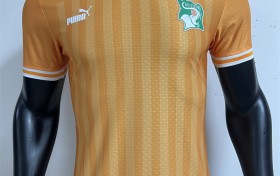
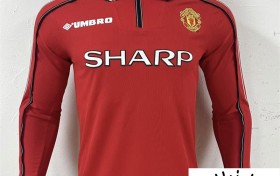
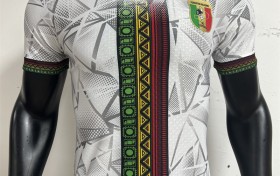
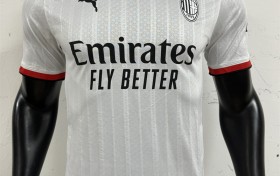
When it comes to choosing the perfect jersey fabric for your next sewing project, it&039;s important to consider a variety of factors. From the intended use of the garment to the comfort and fit, the right fabric can make all the difference. In this article, we&039;ll explore the different types of jersey fabric available and provide you with tips on how to select the best one for your needs.
Understanding the Basics of Jersey Fabric
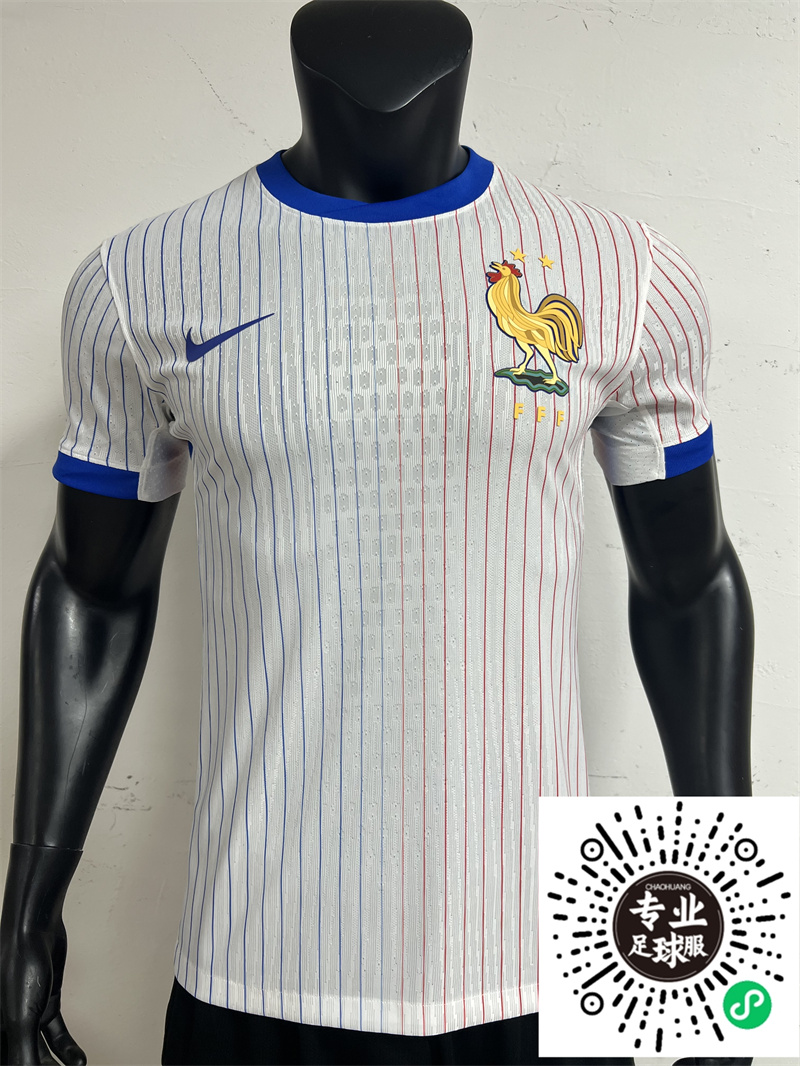
Before diving into the specific types of jersey fabric, it&039;s essential to understand the basics. Jersey fabric is a stretchy, knitted fabric made from cotton, wool, or synthetic fibers. It&039;s known for its soft texture, comfort, and ease of care. The knit structure of jersey allows it to stretch and recover, making it perfect for t-shirts, dresses, and other casual wear.
Types of Jersey Fabric
1. Cotton Jersey
Cotton jersey is a popular choice for sewers due to its natural fiber content, which offers breathability and comfort. It&039;s suitable for a wide range of projects, including t-shirts, dresses, and loungewear. There are two main types of cotton jersey:
a. Ring-spun cotton jersey: This fabric is produced using a ring-spun process that creates a finer, softer yarn. It&039;s ideal for creating luxurious, lightweight garments.
b. Open-end cotton jersey: This is a more affordable option that&039;s suitable for everyday wear. It&039;s less soft than ring-spun cotton jersey but still provides comfort and durability.
2. Polyester Jersey
Polyester jersey is a synthetic fiber that offers excellent stretch, durability, and color retention. It&039;s a versatile fabric that can be used for a variety of projects, including activewear, sportswear, and swimwear. Here are two types of polyester jersey:
a. Jersey Knit: This fabric has a smooth, stretchy surface and is perfect for creating garments that require a snug fit.
b. Interlock Jersey: This fabric has a textured surface and is more durable than jersey knit. It&039;s ideal for heavy-duty projects and activewear.
3. Bamboo Jersey
Bamboo jersey is a natural fiber that&039;s known for its softness, breathability, and eco-friendly properties. It&039;s a great option for those looking to create garments that are both comfortable and sustainable. Bamboo jersey is suitable for a wide range of projects, including t-shirts, dresses, and sleepwear.
4. Modal Jersey
Modal jersey is a soft, breathable fabric made from beech tree pulp. It&039;s known for its silky texture and is often used in high-end clothing. Modal jersey is perfect for creating luxurious garments, such as dresses, blouses, and pajamas.
5. Tencel Jersey
Tencel jersey is another eco-friendly fabric made from the wood pulp of eucalyptus trees. It&039;s known for its moisture-wicking properties and is perfect for activewear and sportswear. Tencel jersey is also soft and breathable, making it a comfortable choice for everyday wear.
How to Choose the Perfect Jersey Fabric
Now that you&039;re familiar with the different types of jersey fabric, here are some tips on how to choose the perfect one for your project:
1. Consider the intended use: Think about what you&039;ll be using the garment for. If it&039;s for casual wear, cotton jersey or polyester jersey might be a good choice. For activewear or sportswear, consider bamboo jersey or Tencel jersey.
2. Evaluate the comfort: Jersey fabric should be soft and comfortable against the skin. Feel the fabric and choose the one that feels the most luxurious and pleasant to the touch.
3. Check the stretch: Jersey fabric should have good stretch to ensure a comfortable fit. Test the fabric by pulling it and observing how much it stretches and how quickly it returns to its original shape.
4. Look at the weight: Jersey fabric comes in different weights, from lightweight to heavy. Choose the weight that&039;s appropriate for your project. For example, a lightweight jersey is perfect for dresses, while a heavier jersey is better for outerwear.
5. Consider the care instructions: Check the care instructions for the fabric, as some jersey fabrics require special care, such as hand washing or dry cleaning.
In conclusion, choosing the perfect jersey fabric for your next sewing project involves understanding the different types of jersey fabric, considering the intended use of the garment, evaluating comfort and stretch, and looking at the weight and care instructions. By following these tips, you&039;ll be able to select the perfect jersey fabric that will make your project a success.