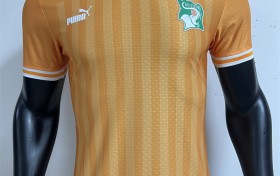
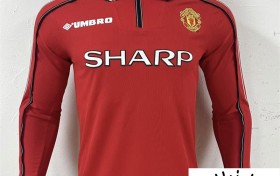
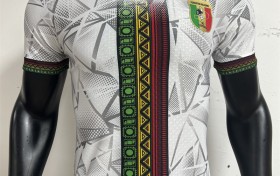
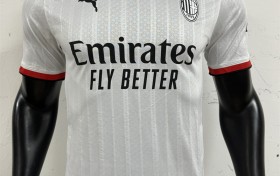
In the realm of high-performance sports uniforms, the choice of fabric is crucial. Among the numerous options available, jersey fabric stands out for its durability and breathability, making it an ideal choice for athletes seeking peak performance. This article delves into the characteristics of jersey fabric, its benefits in sports uniforms, and why it is gaining popularity among athletes worldwide.

Firstly, let&039;s understand what jersey fabric is. Jersey fabric, also known as spandex jersey or elastane jersey, is a type of stretchy fabric made from cotton, spandex, or a blend of both. The spandex content in jersey fabric provides excellent elasticity, allowing it to stretch and return to its original shape after being stretched. This unique property makes jersey fabric highly durable and perfect for sports uniforms.
Durability is a key factor when it comes to high-performance sports uniforms. Athletes engage in rigorous activities that put their clothing to the test. Jersey fabric&039;s ability to withstand frequent wear and tear is unmatched. Its elasticity ensures that it doesn&039;t lose shape or become baggy over time, making it a long-lasting choice for sports uniforms.
In addition to durability, jersey fabric is highly breathable. The fabric allows air to flow through, keeping athletes cool and comfortable during intense physical activities. This is crucial, as excessive sweating can lead to discomfort and decreased performance. The breathable nature of jersey fabric ensures that athletes stay dry and focused on their game.
One of the primary benefits of jersey fabric in sports uniforms is its moisture-wicking properties. The fabric absorbs sweat and moves it away from the skin, preventing chafing and irritation. This is particularly important for athletes who participate in endurance sports, such as marathon running or cycling. By keeping athletes dry, jersey fabric helps prevent overheating and improves overall comfort.
Moreover, jersey fabric is versatile and can be customized to meet the specific needs of various sports. For example, a jersey designed for basketball may have a different pattern or stitching compared to one designed for soccer. This customization allows athletes to feel confident and empowered in their uniforms, which can have a positive impact on their performance.
Another advantage of jersey fabric is its ease of care. Athletes often have tight schedules and need uniforms that are quick and easy to clean. Jersey fabric is machine washable and requires minimal ironing, making it a practical choice for busy athletes. This convenience ensures that uniforms are always ready for the next game or practice session.
In recent years, the demand for high-performance sports uniforms has been on the rise. Athletes are increasingly seeking clothing that not only looks stylish but also provides functional benefits. Jersey fabric has emerged as a top choice for manufacturers and athletes alike, thanks to its durability, breathability, and versatility.
However, it&039;s essential to note that not all jersey fabrics are created equal. The quality of the fabric, the manufacturing process, and the materials used can significantly impact the performance and longevity of sports uniforms. Athletes and sports organizations should research and choose reputable brands that offer high-quality jersey fabrics.
In conclusion, jersey fabric is a game-changer in the world of high-performance sports uniforms. Its durability, breathability, and versatility make it an ideal choice for athletes seeking peak performance. By investing in quality jersey fabric, athletes can enjoy the benefits of comfortable, long-lasting, and functional sports uniforms. As the demand for high-performance sports apparel continues to grow, jersey fabric is poised to remain a key component in the evolution of sports uniforms.