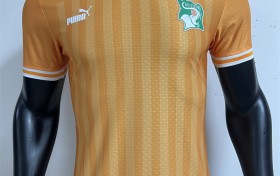
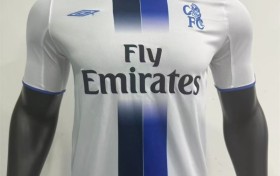
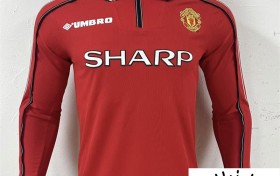
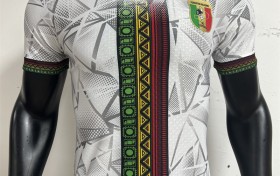
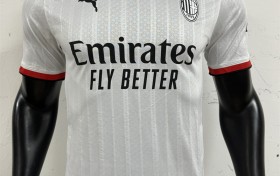
The demand for sports uniforms has been on the rise, and with it, the importance of choosing the right fabric has become more pronounced. Among the various types of fabrics available, lightweight jersey fabric stands out as an excellent choice for sports uniforms. This article will explore the benefits of lightweight jersey fabric, its various options, and how it can enhance the performance and comfort of athletes.
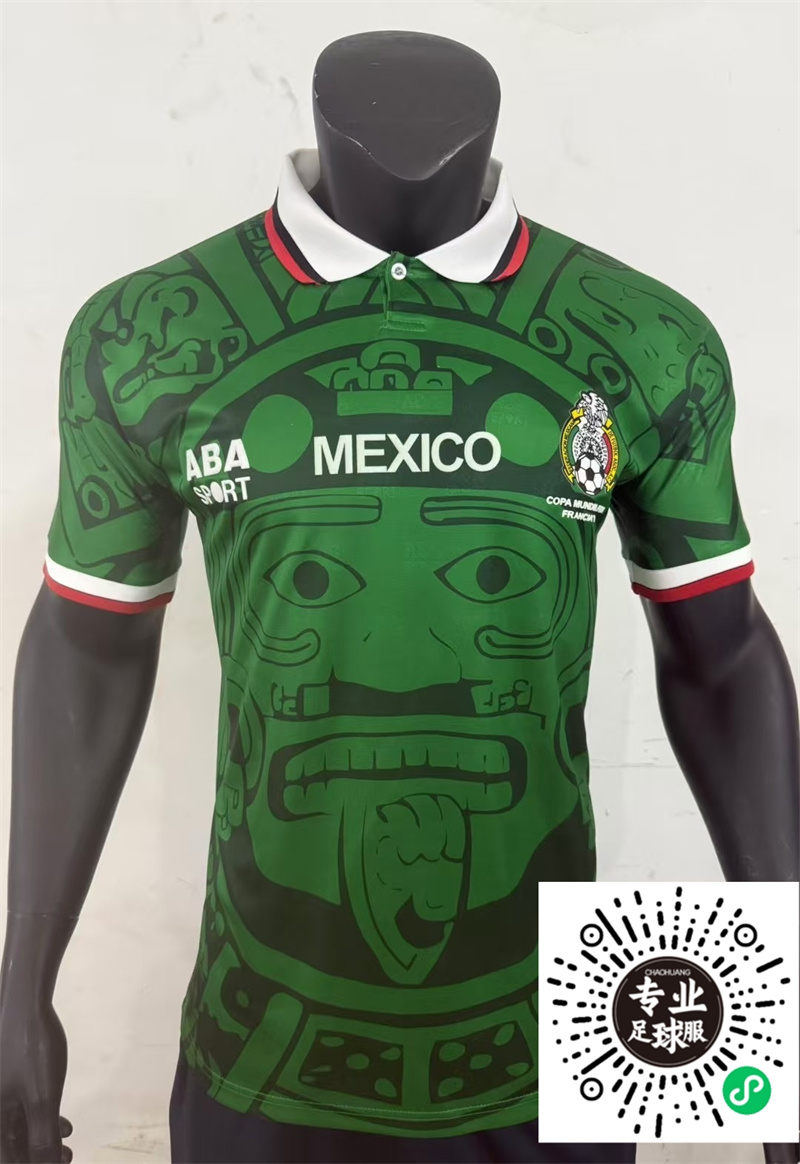
Benefits of Lightweight Jersey Fabric
One of the primary advantages of lightweight jersey fabric is its breathability. This type of fabric allows for better air circulation, which helps athletes maintain a cooler body temperature during intense physical activity. As a result, athletes can avoid overheating and stay more focused on their performance.
Another significant benefit of lightweight jersey fabric is its moisture-wicking properties. This feature helps to pull sweat away from the body, keeping the athlete dry and comfortable throughout the game. Moisture-wicking fabrics are particularly beneficial for endurance sports, such as running and cycling, where athletes need to stay dry to maintain their performance.
Comfort and Flexibility
Comfort is a crucial factor when choosing sports uniforms, and lightweight jersey fabric excels in this area. The fabric is soft, stretchy, and flexible, allowing athletes to move freely without restrictions. This flexibility ensures that athletes can maintain their range of motion, reducing the risk of injuries.
Moreover, lightweight jersey fabric is often made from eco-friendly materials, such as recycled polyester or organic cotton. These materials are not only sustainable but also gentle on the skin, making them ideal for athletes with sensitive skin.
Variety of Lightweight Jersey Fabric Options
There are several types of lightweight jersey fabric available for sports uniforms, each with its unique characteristics:
1. Cotton jersey: This is the most common type of lightweight jersey fabric, known for its comfort and breathability. Cotton jersey is ideal for casual sports activities, such as yoga and tennis.
2. Polyester jersey: Polyester jersey is a durable and moisture-wicking fabric that is perfect for high-intensity sports, such as basketball and soccer. It is also resistant to shrinking and fading, making it a long-lasting choice.
3. Mesh jersey: Mesh jersey is a breathable fabric with a woven structure that allows for increased airflow. This fabric is ideal for sports that require maximum ventilation, such as volleyball and American football.
4. Spandex jersey: Spandex jersey is a stretchy fabric that provides excellent flexibility and support. It is often used in sports uniforms designed for athletes with a wide range of motion, such as gymnastics and martial arts.
5. Bamboo jersey: Bamboo jersey is a sustainable and moisture-wicking fabric that is gentle on the skin. It is an excellent choice for athletes who are looking for a natural and eco-friendly option.
Designing Sports Uniforms with Lightweight Jersey Fabric
When designing sports uniforms using lightweight jersey fabric, it is essential to consider the following factors:
1. Fit: Ensure that the uniform fits comfortably and allows for full range of motion. A well-fitted uniform can prevent chafing and discomfort during physical activity.
2. Color and graphics: Choose vibrant colors and eye-catching graphics that reflect the team&039;s spirit and identity. Graphics should be durable and withstand repeated washing and wear.
3. Layering: Consider layering lightweight jersey fabric with other types of fabrics, such as thermal or moisture-wicking materials, to provide additional warmth or protection in cooler weather.
4. Sizing: Offer a range of sizes to accommodate athletes of different body types and ensure that everyone has access to the right uniform.
Conclusion
In conclusion, lightweight jersey fabric is an excellent choice for sports uniforms due to its breathability, moisture-wicking properties, comfort, and flexibility. With various options available, designers can create custom uniforms that meet the specific needs of their athletes. By considering factors such as fit, color, and layering, sports teams can ensure that their athletes are equipped with uniforms that enhance their performance and comfort on the field.