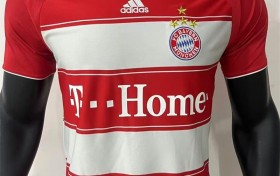
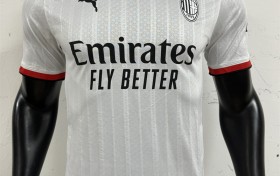
The evolution of sports uniforms has been a testament to the ingenuity of fabric innovators. One such innovation that has been making waves in the sports industry is the use of Jersey fabric. This article delves into the transformative power of Jersey fabric in shaping sports uniforms today.
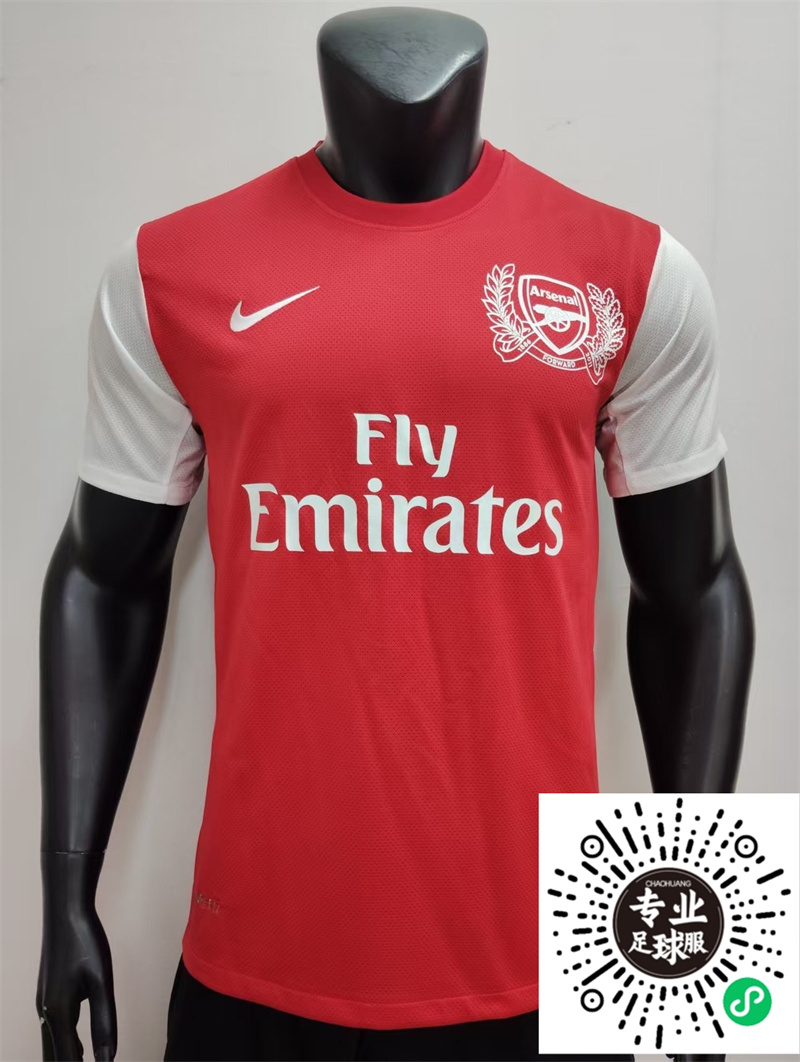
The birth of Jersey fabric can be traced back to the 1930s when it was developed by a British company. Initially used in the textile industry, Jersey fabric gained popularity in the sports world due to its unique properties. Over the years, it has been adapted and refined to cater to the specific needs of athletes in various sports. Today, Jersey fabric is not just a fabric; it is a symbol of innovation and performance.
One of the key reasons why Jersey fabric has become a preferred choice for sports uniforms is its lightweight and breathable nature. Unlike traditional cotton fabrics, Jersey fabric is made from a stretchy material that allows for greater flexibility. This makes it ideal for athletes who require freedom of movement during intense physical activities. The breathable nature of Jersey fabric also helps in regulating body temperature, ensuring that athletes remain comfortable throughout their performance.
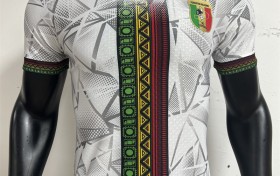
The versatility of Jersey fabric is another factor that has contributed to its widespread adoption in sports uniforms. It can be easily dyed and printed, allowing designers to create vibrant and eye-catching uniforms that reflect the spirit of the team. Additionally, the fabric is durable and can withstand the rigors of regular wear and tear, making it a cost-effective choice for sports organizations.
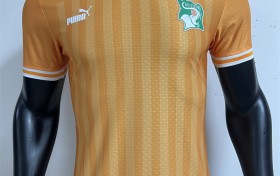
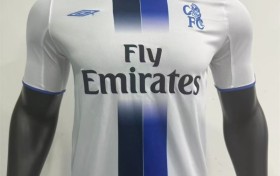
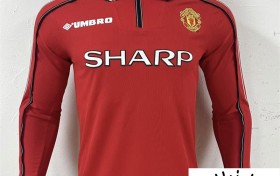
In the realm of soccer, Jersey fabric has revolutionized the way players perceive their uniforms. The introduction of moisture-wicking Jersey fabrics has been a game-changer for players who no longer have to worry about discomfort due to sweat. These fabrics help in keeping the player&039;s body dry, which in turn enhances their performance on the field. Moreover, the lightweight nature of Jersey fabric allows players to move more freely, making it an ideal choice for soccer uniforms.
In basketball, the use of Jersey fabric has brought a new level of comfort and performance to players. The stretchy fabric provides a snug fit, reducing the chances of players getting tangled or hindered during fast-paced gameplay. The breathable nature of the fabric also ensures that players remain cool and focused throughout the game.
Athletes in other sports such as tennis, swimming, and track and field have also benefited from the use of Jersey fabric. The fabric&039;s ability to provide a perfect balance between comfort, flexibility, and durability makes it an excellent choice for a wide range of sports uniforms.
One of the most notable examples of Jersey fabric transforming sports uniforms is the evolution of the baseball uniform. The traditional baseball uniform was made of heavy wool, which was uncomfortable and limited the player&039;s mobility. However, with the introduction of Jersey fabric, players now enjoy a lightweight and breathable uniform that allows them to move more freely on the field.
Another area where Jersey fabric has made a significant impact is in customizing sports uniforms. Athletes can now choose from a variety of colors, patterns, and designs, allowing them to express their personal style while still maintaining the performance benefits of the fabric.
In conclusion, Jersey fabric has emerged as a transformative force in the sports uniform industry. Its lightweight, breathable, and versatile properties have made it an ideal choice for athletes across various sports. As fabric innovators continue to push the boundaries of technology, we can expect even more groundbreaking advancements in sports uniforms, driven by the power of Jersey fabric.