When embarking on a project that requires jersey fabric, choosing the right roll size is crucial to ensure the project&039;s success. Whether you&039;re a beginner or a seasoned crafter, understanding how to select the appropriate jersey fabric roll size can save you time, money, and frustration. In this article, we will guide you through the factors to consider when selecting the right jersey fabric roll size for your project.
Understanding jersey fabric
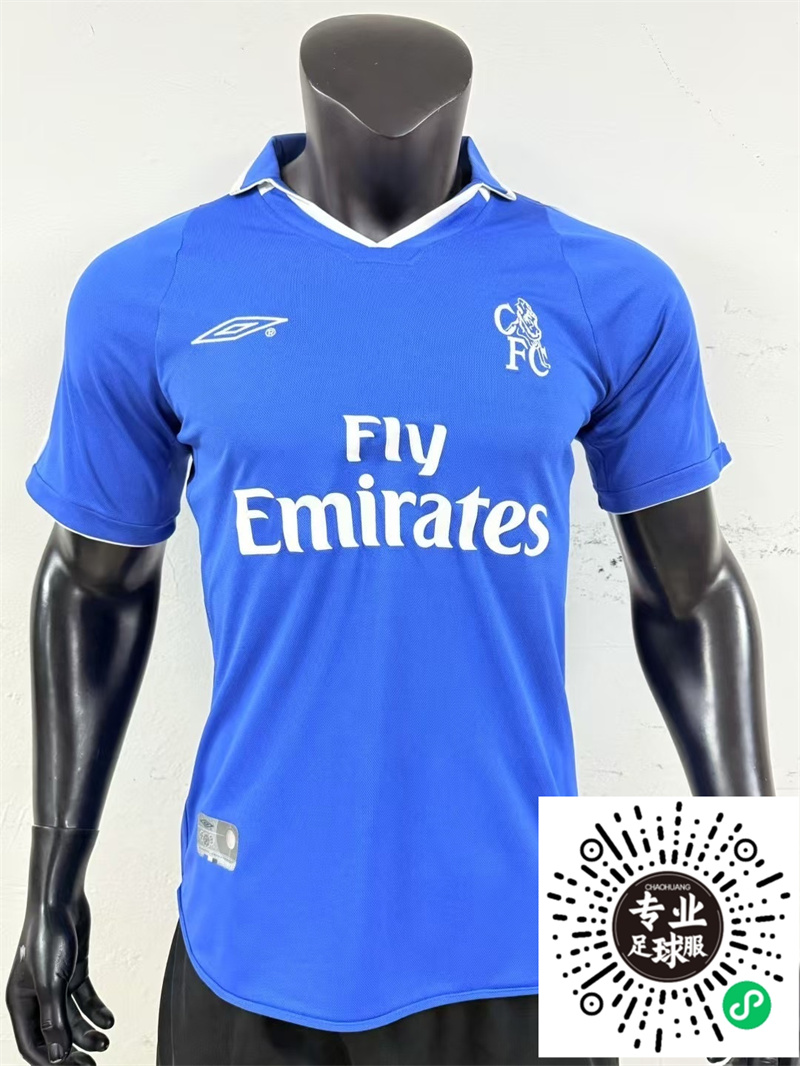
Before we delve into choosing the right roll size, it&039;s essential to understand what jersey fabric is. Jersey fabric is a type of knit fabric that is soft, stretchy, and comfortable to wear. It is made from a single ply of yarn that is knitted in a circular pattern, resulting in a smooth, elastic texture. Jersey fabric is commonly used in making clothing, such as t-shirts, dresses, and underwear, as well as home decor items like curtains and pillowcases.
Factors to consider when selecting jersey fabric roll size
1. Project size
The first factor to consider when choosing the right jersey fabric roll size is the size of your project. Measure the dimensions of the garment or item you want to create, and multiply the length and width to determine the total square footage required. Ensure you have enough fabric to cover all the pieces and add extra for seam allowances and hemming.
2. Fabric width
Jersey fabric rolls come in various widths, typically ranging from 60 to 108 inches. The width of the fabric roll will determine how many pieces you can cut from it without having to piece the fabric together. To minimize waste and save time, choose a roll width that is wide enough to accommodate your project&039;s dimensions and minimize the need for piecing.
3. Fabric weight
Jersey fabric is available in different weights, such as light, medium, and heavy. The weight of the fabric will affect the overall look and feel of your project. A heavier fabric is more durable and can be used for outerwear, while a lighter fabric is more breathable and suitable for summer clothing. Choose a fabric weight that complements your project&039;s intended use.
4. Fabric color and pattern
The color and pattern of your jersey fabric can also impact the roll size you need. If you&039;re working with a bold print or a solid color, you may need more fabric to ensure that the pattern matches up correctly or that there are no color inconsistencies. In this case, a wider roll size may be beneficial.
5. Budget
Lastly, consider your budget when selecting the right jersey fabric roll size. Buying a larger roll size can be more cost-effective, especially if you plan to use the fabric for multiple projects. However, ensure that you&039;re not purchasing more fabric than you need, as this can lead to waste and increased costs.
How to calculate the fabric roll size
To calculate the fabric roll size, follow these steps:
1. Determine the dimensions of your project.
2. Multiply the length and width to get the total square footage required.
3. Add extra fabric for seam allowances and hemming (typically 1-2 inches).
4. Choose a roll width that is wide enough to accommodate your project&039;s dimensions and minimize piecing.
5. Select a fabric weight that complements your project&039;s intended use.
6. Consider the color and pattern of the fabric, and choose a roll size that allows for proper alignment.
7. Calculate the total cost of the fabric roll and compare it to your budget.
Conclusion
Choosing the right jersey fabric roll size for your project is essential to ensure the success of your craft. By considering the project size, fabric width, weight, color, pattern, and budget, you can select the perfect roll size that will help you create beautiful, durable, and cost-effective projects. With a little planning and research, you&039;ll be well on your way to selecting the ideal jersey fabric roll size for your next project.