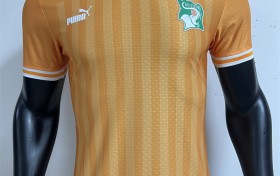
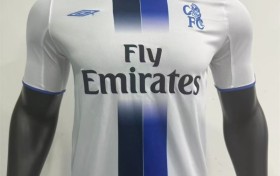
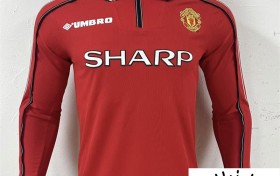
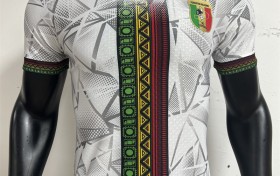
Jersey knit fabric, a versatile and sought-after material in the world of fashion and design, has been a favorite among designers for years. Its unique properties make it a go-to choice for creating a wide range of garments that are both stylish and comfortable. In this article, we will explore the advantages of jersey knit fabric that have captured the hearts of designers and fashion enthusiasts alike.
First and foremost, jersey knit fabric is renowned for its comfort. The stretchy nature of this material allows it to conform to the body, providing a snug fit that is both breathable and comfortable. This characteristic makes it an ideal choice for activewear, as it allows for unrestricted movement while keeping the wearer cool and dry. Moreover, jersey knit fabric is often used in loungewear and sleepwear, where comfort is a top priority.
One of the primary advantages of jersey knit fabric is its ease of care. This material is typically machine washable and requires minimal ironing, which is a huge time-saver for busy designers. The durability of jersey knit fabric also ensures that garments made from it will last for many washes without losing their shape or color. This ease of maintenance makes jersey knit fabric a practical choice for both designers and consumers.
Another reason why jersey knit fabric is beloved by designers is its versatility. This material can be used to create a wide range of garments, from casual tees and tanks to elegant dresses and suits. The soft texture of jersey knit fabric gives it a luxurious feel, which is perfect for creating high-end fashion pieces. Additionally, jersey knit fabric can be dyed in a variety of colors and patterns, allowing designers to unleash their creativity and produce unique designs.
One of the key benefits of jersey knit fabric is its ability to drape beautifully. The stretchy nature of this material allows it to fall gracefully over the body, creating a flattering silhouette. This makes jersey knit fabric an excellent choice for designing garments that accentuate the wearer&039;s figure. Designers can easily create flowy dresses, fitted blouses, and comfortable tops that flatter a wide range of body types.
Moreover, jersey knit fabric is incredibly forgiving when it comes to fit. Its stretchy properties mean that it can accommodate slight variations in body size and shape, making it a great choice for plus-size and petite wearers. This inclusivity is a significant advantage for designers, as it allows them to cater to a broader audience and create garments that are accessible to everyone.
Another advantage of jersey knit fabric is its ability to be used in a variety of sewing techniques. Designers can experiment with different stitch patterns and finishes to create unique and eye-catching garments. The forgiving nature of jersey knit fabric also allows for creative cutting techniques, such as pleating and draping, which can add visual interest to a design.
In addition to its aesthetic appeal, jersey knit fabric is also environmentally friendly. The production process for jersey knit fabric is generally more sustainable than that of other fabrics, such as cotton or silk. This eco-friendly aspect is becoming increasingly important to consumers and designers alike, as the fashion industry continues to address environmental concerns.
Lastly, jersey knit fabric is cost-effective. Its production process is relatively simple, which means that it is more affordable than some other fabrics. This cost-effectiveness makes jersey knit fabric an attractive option for designers who want to offer their customers quality garments at an accessible price point.
In conclusion, jersey knit fabric offers numerous advantages that have made it a favorite among designers. Its comfort, ease of care, versatility, draping properties, inclusivity, creative possibilities, environmental friendliness, and cost-effectiveness make it a go-to choice for creating a wide range of stylish and functional garments. As the fashion industry continues to evolve, jersey knit fabric will undoubtedly remain a staple in the designer&039;s toolkit.