Introduction
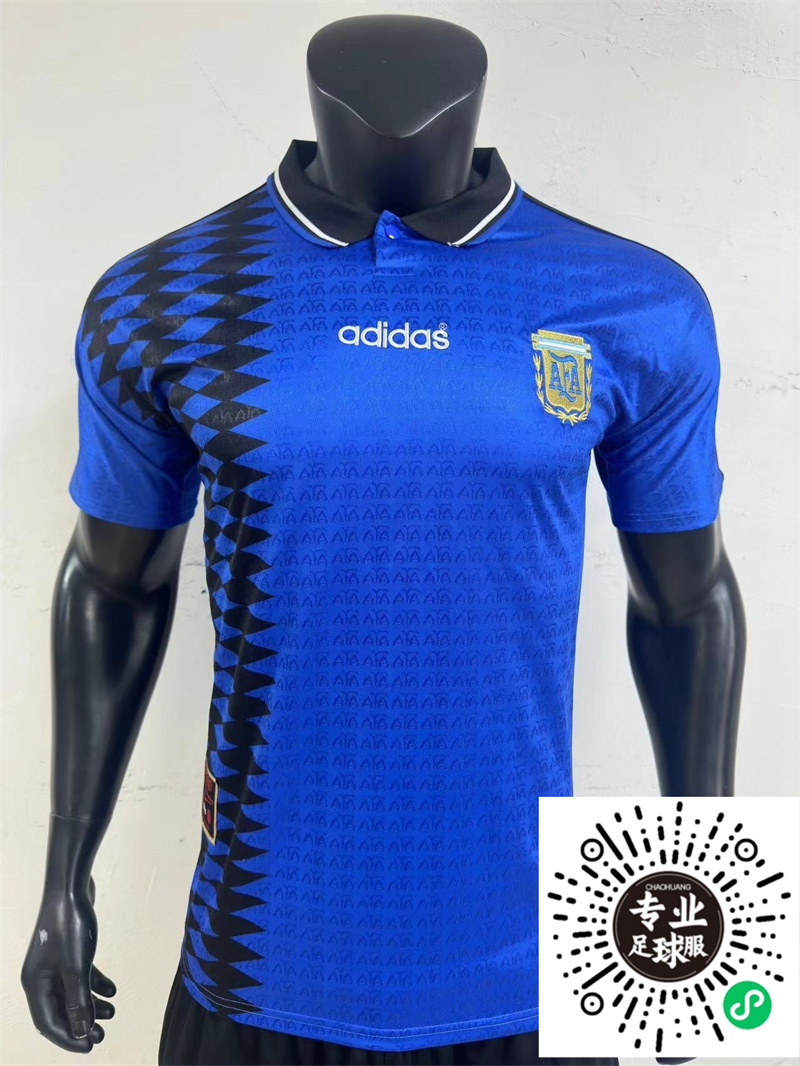
Jersey knit fabric is a popular choice among sewers and designers for its softness, stretchiness, and comfort. With various types of jersey knits available in the market, it can be overwhelming to choose the right one for your project. In this article, we will explore the different types of jersey knits, their pros and cons, and their uses.
Types of Jersey Knits
1. Single jersey
Single jersey is the most common type of jersey knit fabric. It is made by looping the yarns in a single row to create a smooth and stretchy surface. This fabric is perfect for t-shirts, tank tops, and casual wear.
Pros:
– Soft and comfortable
– Breathable
– Stretchy
– Easy to sew
Cons:
– Limited color options
– Can pill easily
2. Purl jersey
Purl jersey is similar to single jersey but with a slightly textured surface. This fabric is created by looping the yarns in the opposite direction, resulting in a ribbed texture. Purl jersey is ideal for creating items with a more defined shape, such as fitted dresses and skirts.
Pros:
– Stretches in both directions
– Ribbed texture adds visual interest
– Ideal for fitted garments
Cons:
– Can be more expensive than single jersey
– May require a more advanced sewing technique
3. Rib jersey
Rib jersey is a versatile fabric that has a ribbed texture in both the length and width directions. This type of jersey knit is commonly used for making activewear, hoodies, and sweatshirts.
Pros:
– Warm and insulating
– Stretches in both directions
– Ribbed texture adds durability
Cons:
– Can be more expensive than other jersey knits
– May require a more advanced sewing technique
4. Interlock jersey
Interlock jersey is a type of jersey knit that has a double-loop structure, which creates a tighter weave and more stretch. This fabric is often used for high-performance activewear and swimwear.
Pros:
– High stretch
– Breathable
– Durable
– Machine washable
Cons:
– More expensive than other jersey knits
– May require a special type of sewing machine
5. French terry
French terry is a plush, Terry cloth-like jersey knit with loops on one side and a smooth surface on the other. It is perfect for creating cozy items such as robes, towels, and blankets.
Pros:
– Plush and soft
– Absorbent
– Warm and insulating
– Easy to sew
Cons:
– Can be more expensive than other jersey knits
– May require a special type of sewing machine
Uses of Jersey Knits
Jersey knits are versatile fabrics that can be used for a wide range of projects. Here are some common uses:
– Clothing: T-shirts, tank tops, dresses, skirts, hoodies, sweatshirts, activewear, and swimwear.
– Home goods: Robes, towels, blankets, pillowcases, and curtains.
– Fashion accessories: scarves, hats, and bags.
Conclusion
Jersey knits come in various types, each with its own unique characteristics and uses. Whether you&039;re a beginner or an experienced sewer, it&039;s essential to understand the differences between these fabrics to choose the right one for your project. With the right jersey knit, you can create comfortable, stylish, and durable items for yourself or your customers.