Introduction
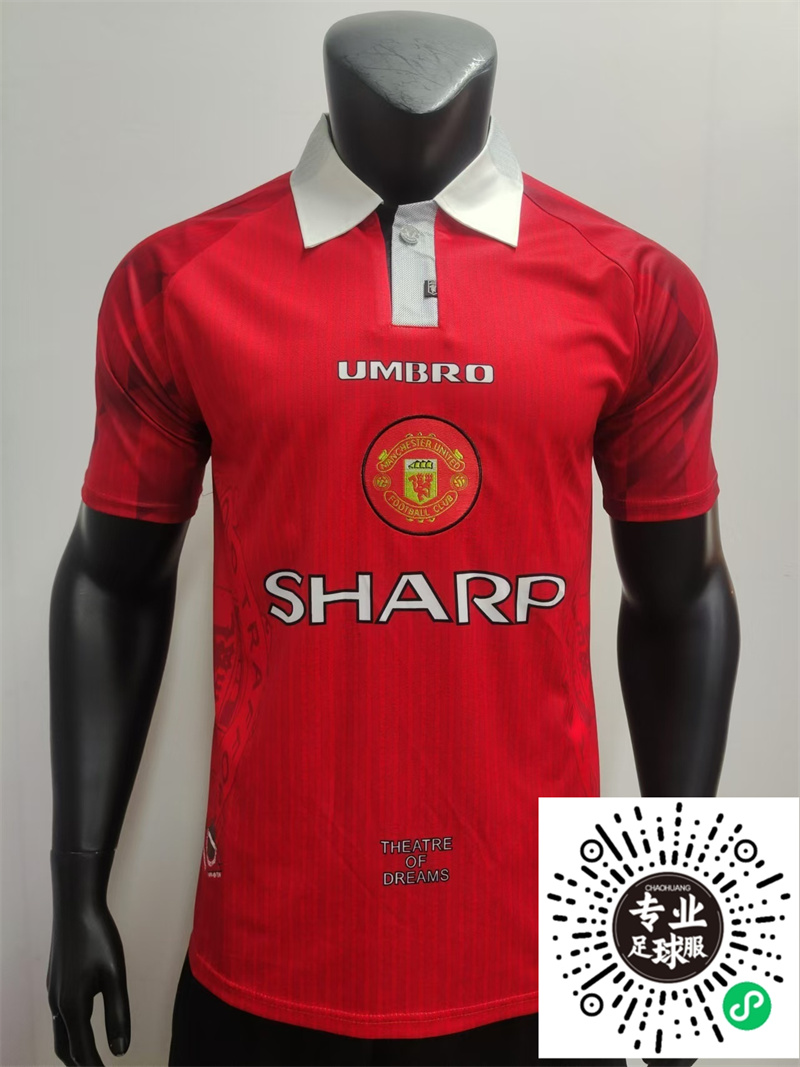
Jersey knit fabric, also known as jersey, is a popular choice for clothing due to its softness, stretch, and comfort. This versatile fabric is made from a single jersey or rib-knit construction, and it is widely used in the production of t-shirts, tank tops, and dresses. In this article, we will take a deep dive into the different types of jersey knit fabric, explaining their characteristics, benefits, and applications.
1. Single Jersey
Single jersey is the most common type of jersey knit fabric. It is made by interlocking loops of yarn on one side, creating a smooth, soft surface on the outside and a textured surface on the inside. Single jersey is known for its comfort, breathability, and ease of care.
Characteristics:
– Smooth and soft texture
– Stretchy and comfortable
– Easy to care for
– Good for lightweight garments
Benefits:
– Versatile and suitable for various types of clothing
– Allows for excellent moisture management
– Provides a comfortable fit for the wearer
Applications:
– T-shirts, tank tops, and other casual tops
– Dresses and skirts
– Undergarments and loungewear
2. Rib Knit
Rib knit is another popular type of jersey knit fabric. It is made by using a combination of knit and purl stitches, creating a stretchy, textured fabric with a ribbed appearance. Rib knit is known for its durability, warmth, and elasticity.
Characteristics:
– Stretchy and textured
– Warm and cozy
– Durable and long-lasting
– Suitable for both casual and formal wear
Benefits:
– Provides excellent insulation
– Keeps the wearer warm in cold weather
– Can be used to create a variety of garments, from sweaters to dresses
Applications:
– Sweaters, hoodies, and jackets
– Dresses and skirts
– Leggings and yoga pants
3. French Terry
French terry is a type of jersey knit fabric with a looped texture on one side and a smooth, flat texture on the other. This creates a plush, cozy feel that is perfect for cold weather garments. French terry is made by using a terry loop construction, which is similar to the loops found in terry cloth towels.
Characteristics:
– Plush and cozy texture
– Warm and insulating
– Stretchy and comfortable
– Suitable for both casual and formal wear
Benefits:
– Excellent moisture absorption
– Provides warmth in cold weather
– Can be used to create a variety of garments, from sweaters to robes
Applications:
– Sweaters, hoodies, and jackets
– Robes and bathrobes
– Dresses and skirts
– Sleepwear and loungewear
4. Interlock Knit
Interlock knit is a type of jersey knit fabric with a unique weave that creates a tight, breathable, and durable fabric. It is made by using a combination of knit and purl stitches, which creates a grid-like pattern on the fabric. Interlock knit is known for its strength, elasticity, and softness.
Characteristics:
– Tight weave and grid-like pattern
– Breathable and durable
– Stretchy and comfortable
– Suitable for both casual and formal wear
Benefits:
– Excellent moisture management
– Keeps the wearer cool in hot weather
– Provides a comfortable fit for the wearer
Applications:
– T-shirts, tank tops, and other casual tops
– Dresses and skirts
– Undergarments and loungewear
– Sports apparel and activewear
Conclusion
Jersey knit fabric is a versatile and popular choice for clothing due to its comfort, stretch, and ease of care. With different types of jersey knit fabric available, such as single jersey, rib knit, French terry, and interlock knit, there is a wide range of options for creating various garments. Understanding the characteristics and benefits of each type of jersey knit fabric can help you choose the best fabric for your project and ensure a comfortable, stylish, and durable garment.