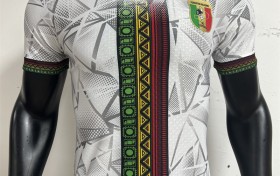
The evolution of jersey fabric manufacturing processes has been a testament to human ingenuity and technological advancements. Once a simple knitted fabric, jersey has now become a versatile material that is integral to the fashion and sports industries. This article delves into the innovations in jersey fabric manufacturing process that have shaped the industry over the years.

Historical Overview
Jersey fabric was first introduced in the 19th century, when a French chemist, Denis, invented a knitted fabric made from silk. However, it was not until the late 19th century that jersey fabric gained popularity in the clothing industry. Since then, numerous innovations have been made to improve the manufacturing process, enhance the fabric&039;s properties, and cater to various market demands.
Technological Advancements in Yarn Production
The quality of jersey fabric largely depends on the yarn used in its production. Over the years, several technological advancements have been made in yarn production to enhance the fabric&039;s properties. Here are some notable innovations:
1. Fiber Technology: The introduction of new fibers, such as polyester, nylon, and spandex, has expanded the range of jersey fabric applications. These fibers offer improved durability, moisture-wicking properties, and elasticity, making jersey fabric suitable for various end-uses.
2. Spinning Techniques: The development of advanced spinning techniques has led to the production of finer yarns with better strength and elasticity. This has resulted in jersey fabric that is more comfortable to wear and retains its shape over time.
3. Yarn Dyeing and Finishing: The dyeing and finishing processes have also been improved to achieve vibrant colors and soft-hand finishes. Advanced dyeing techniques, such as sublimation and reactive dyeing, ensure that the fabric retains its color and texture after washing.
Machine Knitting Innovations
The knitting process is a crucial aspect of jersey fabric manufacturing, as it determines the fabric&039;s texture, stretch, and recovery. Here are some innovations in machine knitting:
1. Flat Knitting Machines: Initially, jersey fabric was produced using circular knitting machines. However, flat knitting machines were introduced to provide greater control over the fabric&039;s width and pattern design. This allowed for the production of wider and more intricate designs.
2. Computerized Knitting Machines: The advent of computerized knitting machines has revolutionized the jersey fabric manufacturing process. These machines can produce complex patterns and designs with high precision and speed. This has enabled manufacturers to cater to the growing demand for customized and personalized clothing.
3. Stretch Knitting Machines: Stretch knitting machines have been developed to produce jersey fabric with exceptional stretch and recovery properties. This technology is particularly beneficial for activewear and sportswear, as it provides superior comfort and flexibility.
Environmental Innovations
The jersey fabric manufacturing process has also witnessed significant environmental innovations. Here are some notable examples:
1. Energy-Efficient Machines: The development of energy-efficient knitting machines has reduced the carbon footprint of jersey fabric manufacturing. These machines consume less electricity and emit lower levels of greenhouse gases.
2. Water Recycling Systems: Water recycling systems have been implemented in jersey fabric manufacturing facilities to minimize water usage and reduce waste. These systems treat and recycle wastewater, making the process more sustainable.
3. Eco-Friendly Dyes and Chemicals: The use of eco-friendly dyes and chemicals has been encouraged to reduce the environmental impact of jersey fabric manufacturing. These alternatives are less harmful to the environment and human health.
Conclusion
Innovations in jersey fabric manufacturing processes have transformed the industry, making jersey fabric a preferred choice for various applications. From advancements in yarn production and machine knitting to environmental innovations, these developments have improved the quality, comfort, and sustainability of jersey fabric. As the industry continues to evolve, we can expect even more exciting advancements that will further enhance the properties of jersey fabric and expand its applications.