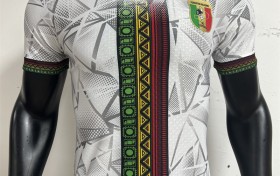
When it comes to choosing the right jersey fabric for your needs, you may find yourself weighing the pros and cons of lightweight and heavyweight options. Both have their own unique benefits, and the best choice depends on your personal preferences and the specific activities you plan to engage in. In this article, we will explore the differences between lightweight and heavyweight jersey fabrics, and help you determine which one is best suited for you.
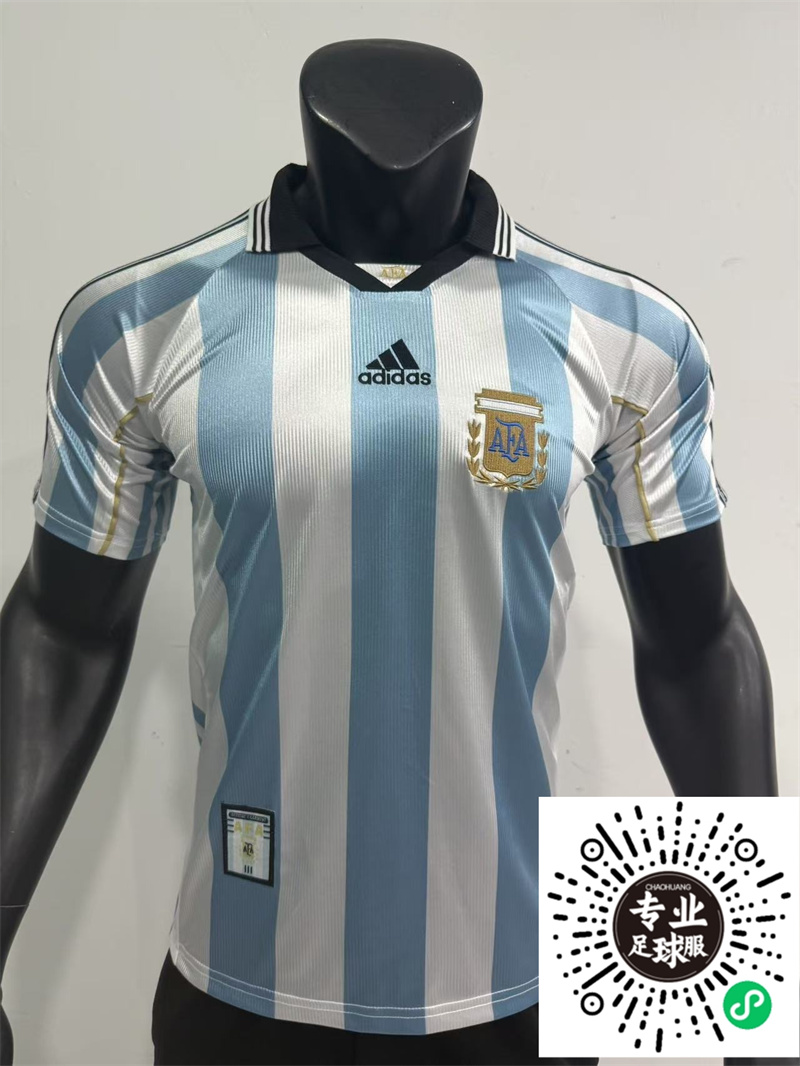
First, let&039;s take a closer look at lightweight jersey fabric. As the name suggests, this type of fabric is designed to be as light as possible, making it ideal for activities that require breathability and flexibility. Lightweight jersey fabric is typically made from materials such as cotton, bamboo, or synthetic fibers like polyester and nylon.
One of the primary advantages of lightweight jersey fabric is its breathability. It allows air to flow through the fabric, keeping you cool and comfortable during prolonged periods of activity. This is particularly beneficial for high-intensity workouts, such as running or cycling, where you need to maintain a stable body temperature.
Another advantage of lightweight jersey fabric is its flexibility. The material is stretchy and comfortable, allowing for a full range of motion without restricting your movements. This is especially important for athletes who require agility and freedom of movement during their activities.
On the other hand, heavyweight jersey fabric is designed to provide more warmth and protection. It is typically made from thicker materials, such as wool or a blend of cotton and synthetic fibers. While it may not be as breathable as its lightweight counterpart, heavyweight jersey fabric offers several benefits that make it a preferred choice for certain situations.
One of the main advantages of heavyweight jersey fabric is its warmth. It is perfect for cold weather activities, such as hiking, skiing, or cycling in colder climates. The thicker material helps to insulate your body, keeping you warm and comfortable even in freezing temperatures.
Another advantage of heavyweight jersey fabric is its durability. The thicker fibers make it more resistant to wear and tear, which means it can withstand the demands of rigorous activities without losing its shape or functionality. This makes it an excellent choice for outdoor enthusiasts who need a reliable and long-lasting garment.
When choosing between lightweight and heavyweight jersey fabric, it is essential to consider the specific activities you plan to engage in. If you are an athlete who requires breathability and flexibility, a lightweight jersey fabric is the way to go. On the other hand, if you are looking for warmth and durability, a heavyweight jersey fabric may be more suitable.
In addition to the activities you plan to participate in, your personal preferences should also play a role in your decision. Some individuals may prefer the lightweight, breathable feel of a jersey made from cotton or bamboo, while others may prefer the warmth and protection offered by a heavyweight wool or cotton blend.
It is also worth noting that there are hybrid options available that combine the benefits of both lightweight and heavyweight jersey fabrics. For example, a jersey made from a blend of synthetic fibers and natural materials can offer the breathability and flexibility of lightweight fabric, with the warmth and durability of heavyweight fabric.
In conclusion, the choice between lightweight and heavyweight jersey fabric ultimately depends on your personal preferences and the specific activities you plan to engage in. Lightweight jersey fabric is ideal for activities that require breathability and flexibility, while heavyweight jersey fabric is perfect for cold weather activities and situations where warmth and durability are essential. By considering these factors, you can make an informed decision and choose the jersey fabric that best suits your needs.