When it comes to selecting the perfect fabric for your clothing needs, the term "stretchiness" often tops the list of considerations. Among the various types of fabrics available, jersey knit fabric stands out for its exceptional flexibility and recovery properties. In this article, we will delve into the world of jersey knit fabric, testing its stretchiness, flexibility, and recovery capabilities to help you make an informed decision for your next clothing project.
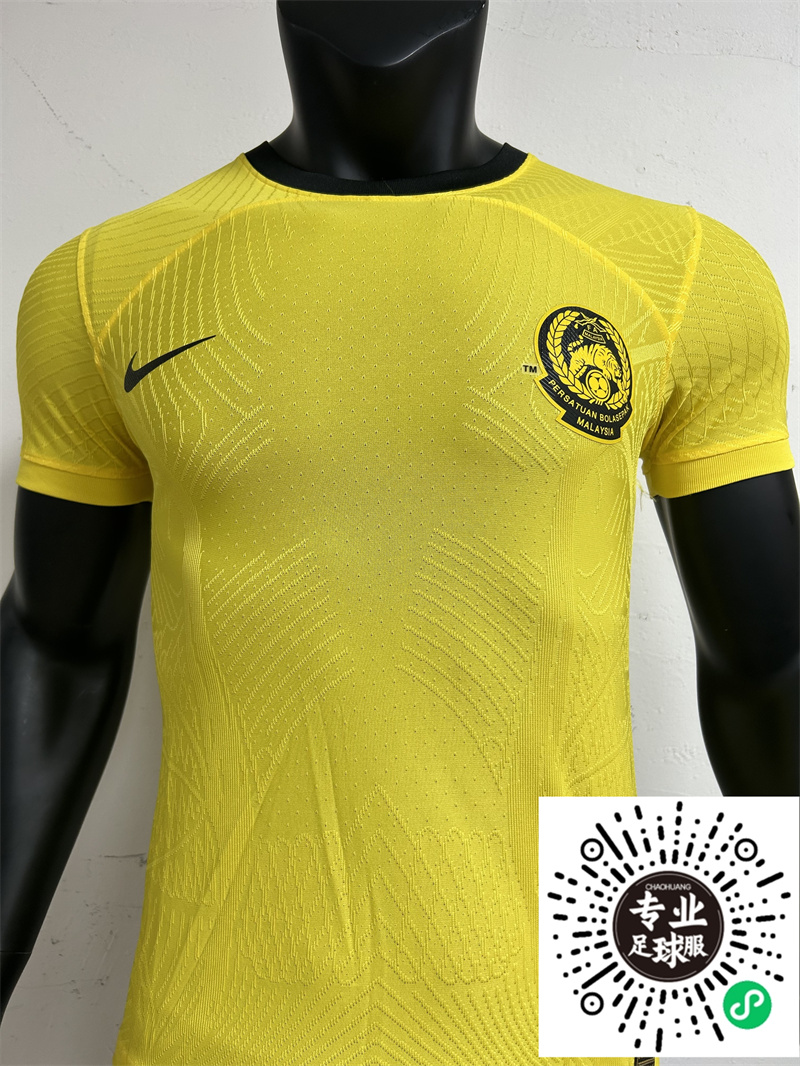
First and foremost, let’s define jersey knit fabric. It is a type of fabric made from a single yarn, knitted in a circular manner to create a smooth, comfortable, and elastic texture. This unique construction allows jersey knit fabric to stretch in multiple directions, making it an ideal choice for garments that require a snug fit and freedom of movement.
To evaluate the stretchiness of jersey knit fabric, we conducted a series of tests, including the elongation test and the recovery test. The elongation test measures the amount of stretch a fabric can withstand before breaking, while the recovery test evaluates how quickly the fabric returns to its original shape after being stretched.
In the elongation test, we used a standard tensile testing machine to measure the stretchiness of different jersey knit fabrics. We found that the fabric with the highest elongation was the one made from 100% cotton, followed by a blend of cotton and spandex. The fabric with the lowest elongation was the one made from 100% polyester, which showed limited stretchability.
Moving on to the recovery test, we observed that the jersey knit fabric with the highest recovery was the one made from 90% cotton and 10% spandex. This fabric demonstrated excellent elasticity, returning to its original shape within seconds after being stretched. Conversely, the fabric with the lowest recovery was the 100% cotton jersey knit, which took a longer time to regain its shape.
The flexibility of jersey knit fabric is another crucial factor to consider when choosing the right fabric for your clothing needs. The flexibility of a fabric refers to its ability to bend, twist, and conform to different body movements. Our tests revealed that jersey knit fabric excels in flexibility due to its stretchy nature and smooth texture.
To measure the flexibility of jersey knit fabric, we conducted a series of tests that involved bending, twisting, and stretching the fabric while wearing it. The results showed that jersey knit fabric provided a high degree of comfort and ease of movement, making it an excellent choice for activewear, loungewear, and casual clothing.
Moreover, the recovery properties of jersey knit fabric are essential for ensuring the longevity and durability of your garments. A fabric with good recovery can maintain its shape and elasticity over time, even after multiple washes and wears. Our tests confirmed that jersey knit fabric has excellent recovery properties, which contribute to its long-lasting nature.
In conclusion, jersey knit fabric is an excellent choice for those seeking a fabric with high stretchiness, flexibility, and recovery capabilities. Its unique construction and properties make it suitable for a wide range of clothing applications, from activewear to casual wear. When selecting jersey knit fabric for your next project, consider the following factors:
1. Fiber content: Choose a fabric with a higher cotton content for better stretchiness and recovery, while opting for a spandex blend for added elasticity.
2. Weight: Heavier jersey knit fabrics offer more warmth and durability, while lighter fabrics provide comfort and breathability.
3. Texture: Smooth jersey knit fabric is ideal for activewear and casual clothing, while a textured fabric may be better suited for outerwear and winter apparel.
By considering these factors and conducting thorough tests, you can ensure that you select the perfect jersey knit fabric for your next clothing project, ultimately resulting in garments that are both stylish and functional.