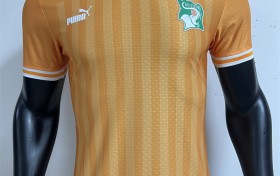
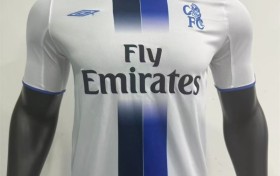
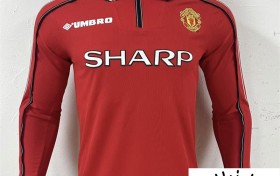
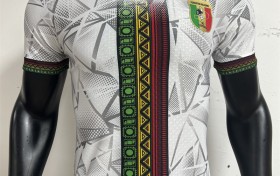
Introduction:
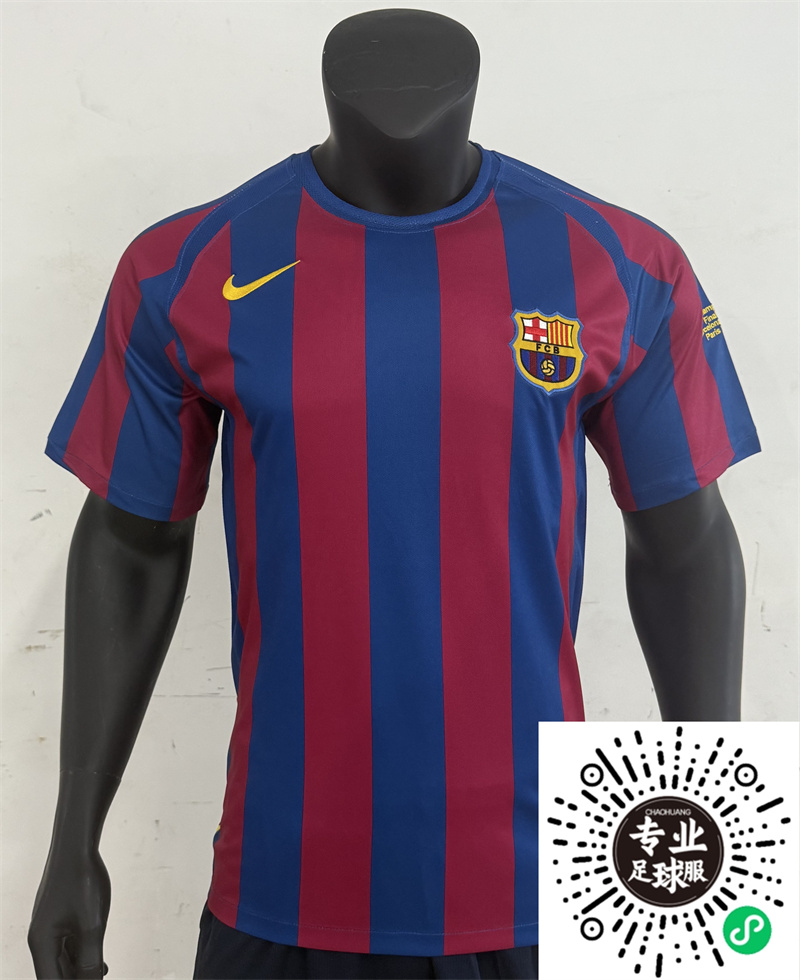
Jersey fabric, often associated with its soft, stretchy texture and comfortable fit, has gained popularity in the world of athletic wear. With its versatility and performance-enhancing qualities, it has become a preferred choice among athletes and fitness enthusiasts. In this article, we will delve into the benefits of jersey fabric for athletic wear performance, exploring its characteristics, advantages, and how it can contribute to better sports experiences.
I. Characteristics of Jersey Fabric
1. Lightweight: One of the key features of jersey fabric is its lightweight nature. It is typically made from cotton, nylon, or spandex, allowing for breathability and comfort during physical activities.
2. Stretchability: The stretchiness of jersey fabric is another essential characteristic that provides a snug fit and flexibility. This allows for a wider range of motion and minimizes discomfort during workouts.
3. Quick-drying: Jersey fabric is known for its quick-drying properties, making it an excellent choice for activities where moisture is a concern. This helps athletes maintain optimal performance levels.
4. Moisture-wicking: The fabric is designed to draw moisture away from the body, keeping the skin dry and reducing chafing, which is particularly beneficial during prolonged or intense workouts.
II. Advantages of Jersey Fabric for Athletic Wear
1. Enhanced Performance: The combination of lightweight, stretchability, and moisture-wicking properties allows athletes to perform at their best. The fabric minimizes any discomfort, providing a distraction-free environment to focus on training or competition.
2. Comfortable Fit: Jersey fabric’s stretchy nature offers a comfortable fit that adapts to the body’s movements. This eliminates the need for multiple layers, which can restrict movement and cause discomfort.
3. Versatility: Jersey fabric is highly versatile and can be used in various types of athletic wear, from tank tops and shorts to jackets and hoodies. Its durability ensures long-lasting performance and value for money.
4. Easy to Maintain: Jersey fabric is easy to clean and maintain, making it a convenient choice for busy athletes. It can be machine-washed and dried, requiring minimal care to maintain its shape and performance.
III. Applications of Jersey Fabric in Athletic Wear
1. Tank Tops: Jersey fabric is commonly used in tank tops for its breathable and moisture-wicking properties, offering a comfortable and functional option for workouts and training sessions.
2. Shorts: Stretchy jersey shorts provide a snug fit, allowing for full range of motion while minimizing discomfort during activities such as running, cycling, and soccer.
3. Leggings: Jersey leggings offer a combination of comfort, performance, and style. Their moisture-wicking and stretchy qualities make them a favorite among athletes and fitness enthusiasts.
4. Jackets and Hoodies: With its versatile nature, jersey fabric can be used in jackets and hoodies, providing warmth, comfort, and protection from the elements without compromising on performance.
IV. Conclusion
Jersey fabric has emerged as a top choice in the world of athletic wear, offering numerous benefits that contribute to improved performance and overall sports experiences. Its lightweight, stretchy, and moisture-wicking properties make it an excellent choice for a wide range of activities. By incorporating jersey fabric into their athletic wear, athletes can enjoy increased comfort, flexibility, and efficiency, leading to better results and a more enjoyable experience.