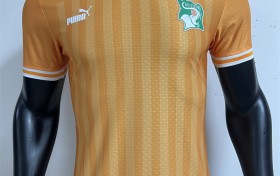
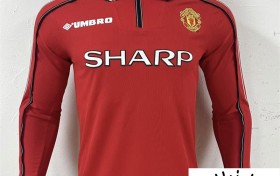
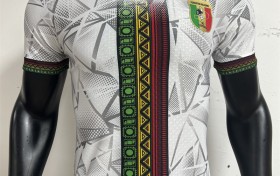
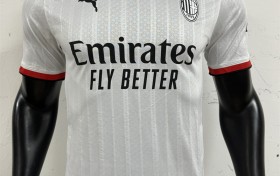
The world of sports clothing has evolved significantly over the years, with manufacturers constantly seeking innovative ways to enhance performance and comfort. One such innovation is the use of Jersey fabric in sports attire, which has revolutionized the way athletes experience breathability. This article delves into how Jersey fabric enhances breathability in sports clothing, exploring its properties, benefits, and applications.
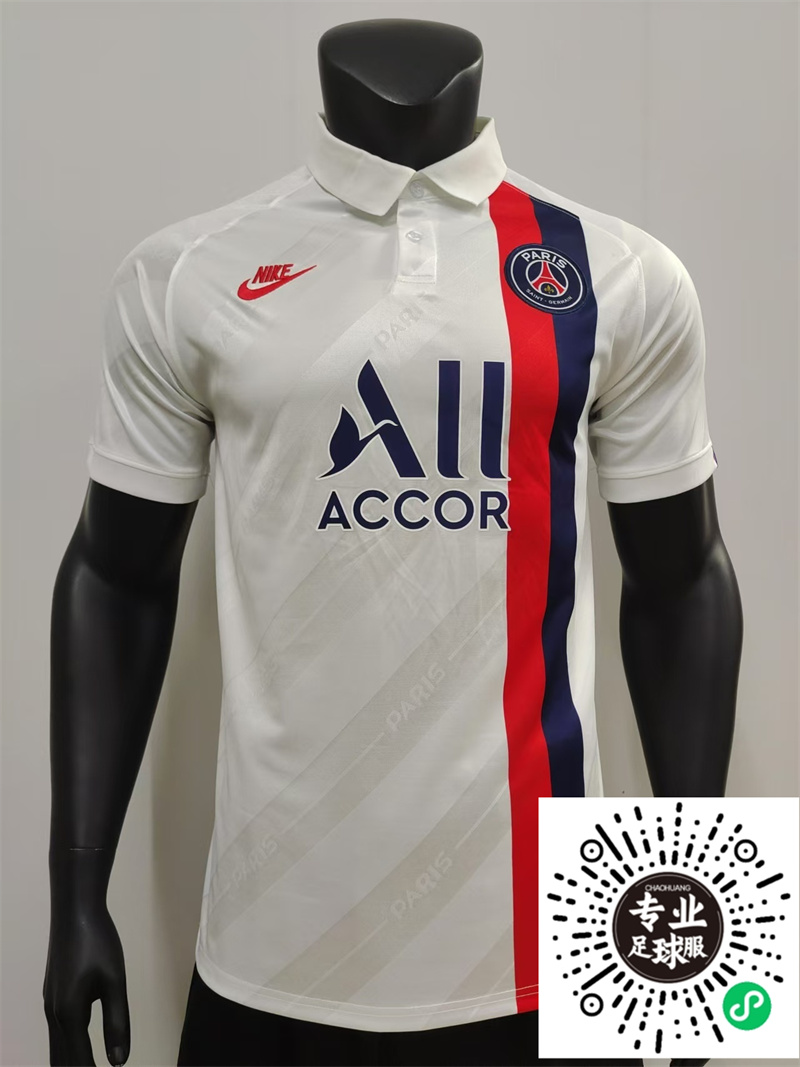
Understanding Jersey Fabric
Jersey fabric, also known as knit fabric, is a versatile material made from natural or synthetic fibers. It is characterized by its stretchy, breathable, and comfortable properties, making it an ideal choice for sports clothing. The fabric is produced by interlocking loops of yarn, creating a soft, flexible, and smooth texture that conforms to the body&039;s movements.
The Breathability Factor
One of the primary reasons why Jersey fabric is favored in sports clothing is its exceptional breathability. This property is a direct result of the fabric&039;s construction and composition. Here&039;s how it works:
1. Air Permeability: The interlocked loops of yarn in Jersey fabric create tiny spaces that allow air to flow through the material. This air permeability ensures that sweat and moisture are wicked away from the skin, keeping athletes cool and dry during intense physical activity.
2. Wicking Ability: Jersey fabric has a natural wicking ability, which means it can absorb and disperse moisture quickly. As sweat is wicked away from the skin, it evaporates, providing a cooling effect that helps maintain optimal body temperature.
3. Softness: The soft texture of Jersey fabric allows for better air circulation, as it conforms to the body&039;s contours. This helps in reducing the chances of heat buildup and discomfort, further enhancing breathability.
Benefits of Jersey Fabric in Sports Clothing
The use of Jersey fabric in sports clothing offers several benefits that contribute to enhanced breathability:
1. Comfort: The stretchy nature of Jersey fabric provides a comfortable fit that allows for unrestricted movement. This comfort, combined with its breathability, makes it an ideal choice for athletes seeking clothing that promotes performance and well-being.
2. Durability: Jersey fabric is known for its durability, thanks to its robust construction. This ensures that sports clothing made from Jersey fabric can withstand the rigors of rigorous physical activity without losing its shape or breathability.
3. Versatility: Jersey fabric can be blended with various fibers, such as cotton, spandex, and synthetic materials, to create a wide range of fabrics that cater to different athletic needs. This versatility allows manufacturers to create customized sports clothing that meets specific performance requirements.
Applications of Jersey Fabric in Sports Clothing
Jersey fabric is widely used in various types of sports clothing, including:
1. Base Layers: Base layers made from Jersey fabric provide warmth and moisture-wicking properties, making them ideal for cold weather activities like cycling, running, and hiking.
2. Tops and Shirts: Jersey fabric is used in tops and shirts for a wide range of sports, from basketball and soccer to tennis and volleyball. Its breathability ensures that athletes remain cool and dry, even during high-intensity workouts.
3. Sweatshirts and Jackets: The softness and warmth of Jersey fabric make it an excellent choice for sweatshirts and jackets. These garments provide comfort and protection against the elements, while still allowing for breathability.
In conclusion, Jersey fabric has become a game-changer in the world of sports clothing, thanks to its exceptional breathability. Its unique properties, combined with its comfort, durability, and versatility, make it an ideal choice for athletes seeking clothing that enhances performance and well-being. As the demand for innovative sports attire continues to grow, it&039;s likely that Jersey fabric will remain a key component in the development of breathable, high-performance clothing for years to come.