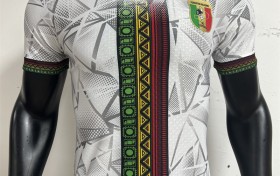
Comfort is a key factor in choosing clothing, especially when it comes to activewear. Among the various types of activewear available, jersey knit fabric is a popular choice due to its comfort and versatility. However, achieving the perfect comfort level lies in understanding the ideal stretch percentage of jersey knit fabric. In this article, we will explore the significance of stretch percentage in jersey knit fabric and how it contributes to maximizing comfort.

The Importance of Stretch Percentage
Jersey knit fabric is known for its elasticity, which allows it to stretch and return to its original shape. The stretch percentage of jersey knit fabric refers to the amount of stretch it can accommodate before it breaks. This percentage is crucial in determining the comfort level of the fabric, as it affects how well it fits the body and moves with the wearer.
A higher stretch percentage means the fabric is more elastic, providing a greater range of motion and a better fit. On the other hand, a lower stretch percentage can result in a tighter, less comfortable garment. Therefore, selecting the ideal stretch percentage is essential for creating a comfortable and functional jersey knit fabric.
Factors Influencing Stretch Percentage
Several factors influence the stretch percentage of jersey knit fabric, including:
1. Fiber Content: The type of fibers used in the fabric affects its elasticity. Natural fibers like cotton and bamboo tend to have lower stretch percentages, while synthetic fibers like spandex and elastane offer higher stretch.
2. Weaving Technique: The way the fabric is woven also plays a role in its stretch percentage. A tighter weave can reduce the fabric&039;s elasticity, while a looser weave allows for more stretch.
3. Knit Structure: The knit structure of jersey fabric can vary, with some having a higher stretch percentage than others. For example, a ribbed knit structure offers more stretch compared to a plain knit.
4. Finishing Process: The finishing process can also affect the stretch percentage of jersey knit fabric. Dyeing, washing, and drying techniques can alter the fabric&039;s elasticity.
The Ideal Stretch Percentage
Determining the ideal stretch percentage for jersey knit fabric depends on the intended use of the garment. Here are some general guidelines:
1. Casual Clothing: For casual clothing, a stretch percentage of 20% to 30% is typically sufficient. This range provides a comfortable fit without being too tight or too loose.
2. Active Wear: For activewear, a higher stretch percentage is recommended, ranging from 30% to 50%. This range allows for greater flexibility and freedom of movement during physical activities.
3. Compression Garments: Compression garments require a higher stretch percentage, typically between 50% and 70%. This range ensures the garment provides adequate compression while still being comfortable.
4. Swimwear: Swimwear should have a stretch percentage of 30% to 50% to ensure it fits well and maintains its shape while in the water.
Optimizing Comfort through Stretch Percentage
To maximize comfort in jersey knit fabric, consider the following tips:
1. Choose the Right Fiber Content: Opt for natural fibers like cotton or bamboo for casual clothing, while synthetic fibers like spandex and elastane are ideal for activewear and compression garments.
2. Consider the Knit Structure: Select a knit structure that offers the desired level of stretch for your specific needs.
3. Pay Attention to the Weaving Technique: A looser weave can enhance the fabric&039;s elasticity and comfort.
4. Test the Stretch Percentage: Before purchasing jersey knit fabric, test its stretch percentage by pulling it and observing how much it stretches and returns to its original shape.
In conclusion, the ideal stretch percentage of jersey knit fabric is essential for maximizing comfort, especially in activewear and compression garments. By considering the factors influencing stretch percentage and selecting the appropriate range for your needs, you can create a comfortable and functional garment that meets your expectations.