Introduction
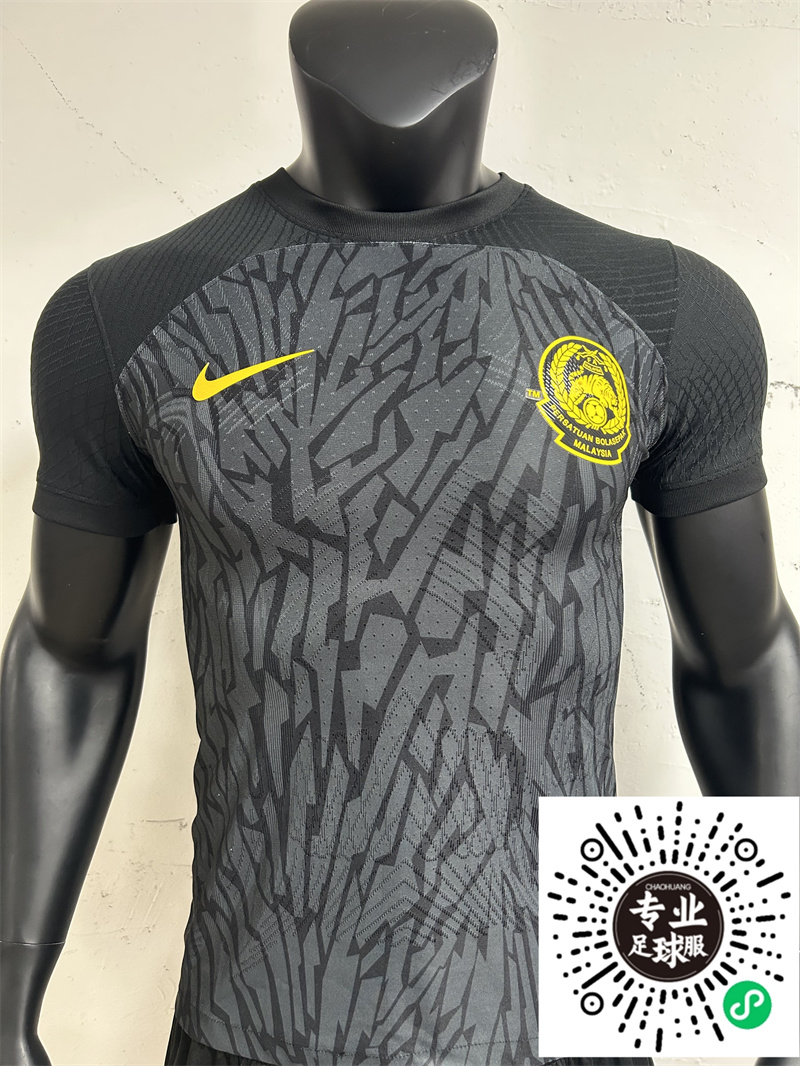
Jersey fabric is a popular choice for both clothing and home textiles due to its comfort, durability, and versatility. Whether you&039;re looking to create your own garments or simply want to understand more about the fabric you&039;re buying, this complete guide for beginners will cover everything you need to know about jersey fabric properties.
What is Jersey Fabric?
Jersey fabric is a type of knitted fabric that is known for its softness, stretch, and comfort. It is made by looping yarns in a horizontal direction, creating a flat, smooth surface with a soft hand feel. The fabric is often used in clothing, such as t-shirts, dresses, and underwear, as well as in home textiles, such as blankets and curtains.
Properties of Jersey Fabric
1. Softness and Comfort
One of the most notable properties of jersey fabric is its softness and comfort. The knit structure of the fabric allows it to stretch and conform to the body, providing a comfortable fit that is gentle on the skin. This makes jersey fabric an excellent choice for clothing that is worn close to the body, such as t-shirts, dresses, and underwear.
2. Stretch
Jersey fabric is highly stretchy, which makes it a popular choice for clothing that requires a comfortable fit. The stretchiness of the fabric allows it to move with the body, reducing the risk of creases and wrinkles. This property also makes jersey fabric durable, as it can withstand frequent washing and wearing without losing its shape.
3. Breathability
Jersey fabric is breathable, which means it allows air to pass through the fabric, keeping the wearer cool and comfortable. This property is particularly beneficial for clothing worn in warm weather or during physical activity, as it helps to wick away moisture from the skin.
4. Versatility
Jersey fabric is incredibly versatile, making it suitable for a wide range of applications. It can be used to create clothing of all styles, from casual t-shirts to formal dresses. Additionally, jersey fabric can be used to create home textiles, such as blankets, curtains, and bedding.
5. Color and Pattern
Jersey fabric is available in a wide range of colors and patterns, making it easy to find the perfect fabric for your project. The knitted structure of the fabric also allows for a variety of finishes, such as textured, smooth, and matte.
Choosing the Right Jersey Fabric
When choosing jersey fabric, there are a few factors to consider:
1. Weight
Jersey fabric is available in various weights, ranging from lightweight to heavy. The weight of the fabric will determine its suitability for different types of clothing and home textiles. For example, lightweight jersey is ideal for summer clothing, while heavier jersey is better for winter garments.
2. Fiber Content
The fiber content of jersey fabric can affect its properties, such as softness, stretch, and durability. Common fiber contents include cotton, bamboo, and synthetic fibers like polyester and spandex.
3. Width
Jersey fabric is available in various widths, which can affect the number of yards needed for a project. It&039;s important to consider the width of the fabric when planning your project to ensure you have enough material.
Caring for Jersey Fabric
To maintain the quality and longevity of your jersey fabric, it&039;s important to follow proper care instructions:
1. Wash
Most jersey fabrics can be machine washed in cold water. Use a gentle cycle and a mild detergent to avoid damaging the fabric.
2. Dry
Jersey fabric should be dried on a low heat setting or air dried. Avoid using a high heat setting, as this can cause the fabric to shrink or become misshapen.
3. Iron
If ironing is necessary, use a low heat setting and iron the fabric while it is still slightly damp.
Conclusion
Jersey fabric is a versatile and comfortable choice for both clothing and home textiles. By understanding the properties of jersey fabric, you can choose the right fabric for your project and care for it properly to maintain its quality. With this complete guide for beginners, you&039;re now equipped with the knowledge to make informed decisions about jersey fabric and create beautiful garments and home textiles.