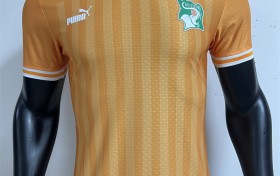
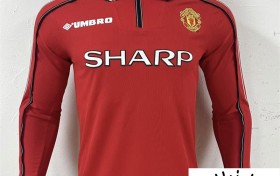
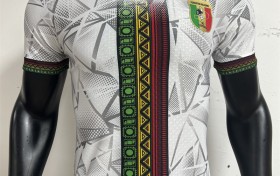
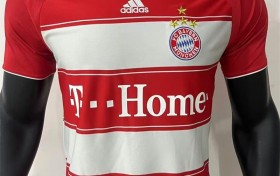
Jersey fabric has been a staple in the clothing industry for decades, offering a wide range of characteristics that make it a versatile choice for both manufacturers and consumers. In this article, we will delve into everything you should know about jersey fabric characteristics, including its origin, benefits, and common uses.
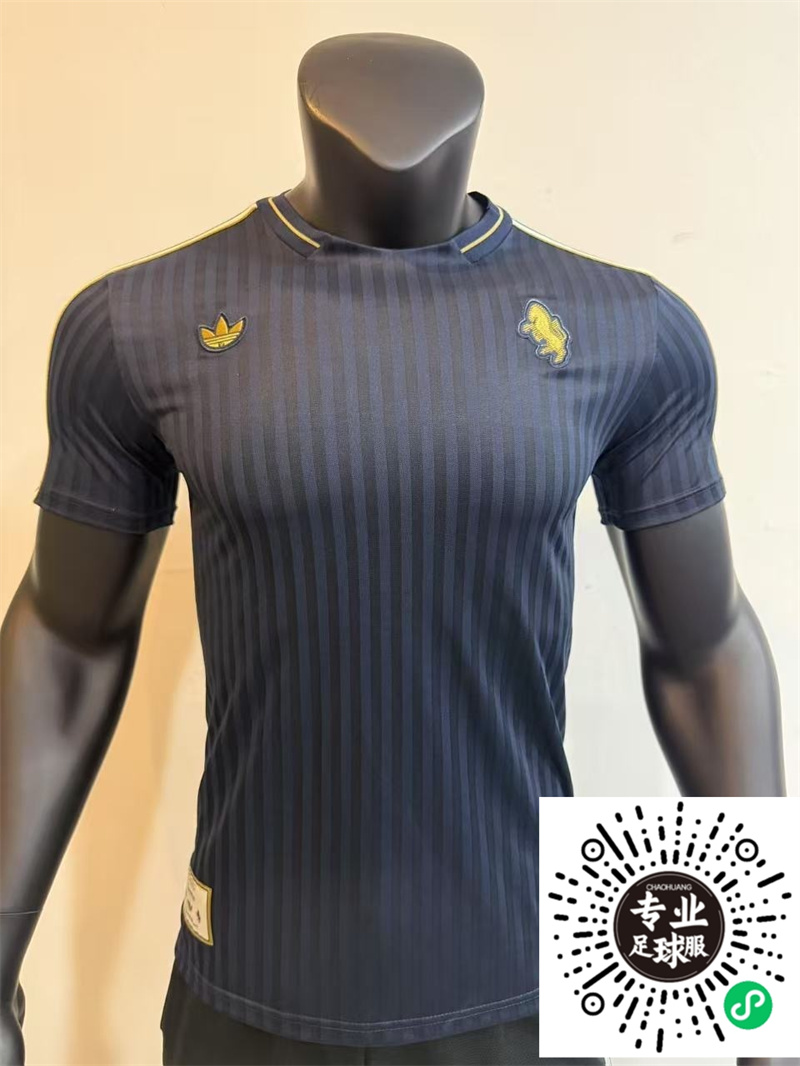
The Origin of Jersey Fabric
Jersey fabric was developed in the late 19th century in Jersey, a small island located in the English Channel. It was originally created to imitate the texture of silk, and its soft, stretchy nature quickly made it a popular choice for clothing. The fabric&039;s name comes from the island of Jersey, where it was first produced.
Fabric Characteristics
One of the most defining characteristics of jersey fabric is its stretchability. This is due to the weaving process, which creates a network of loops that allows the fabric to be stretched and then return to its original shape. This elasticity makes jersey fabric extremely comfortable to wear and suitable for a wide range of garments, from casual to formal attire.
Another notable feature of jersey fabric is its softness. The tight weave of the fabric contributes to its smooth texture, making it ideal for items that require comfort and luxury, such as baby clothes, loungewear, and intimate apparel.
Additionally, jersey fabric is known for its breathability. This is particularly beneficial for activewear and other clothing worn during physical activity, as it allows air to circulate and helps keep the wearer cool.
Benefits of Jersey Fabric
The benefits of jersey fabric are numerous. Its stretchability allows for a wide range of styles and fits, ensuring that it can accommodate different body types. Moreover, the softness and comfort make it an excellent choice for sensitive skin, such as that of infants and the elderly.
Breathability and moisture-wicking properties make jersey fabric suitable for a variety of climates and activities. It can be used in warm weather for lightweight, breathable garments, as well as in colder climates for layering and insulation.
Another significant advantage of jersey fabric is its durability. Despite being soft and stretchy, it can withstand regular wear and tear, making it a cost-effective choice for both manufacturers and consumers.
Common Uses of Jersey Fabric
Jersey fabric is widely used in the clothing industry for various applications. Here are some of the most common uses:
1. Apparel: Jersey fabric is a popular choice for clothing items such as t-shirts, dresses, and leggings. Its stretchiness allows for a comfortable fit, while its soft texture provides a luxurious feel.
2. Activewear: Thanks to its breathability and moisture-wicking properties, jersey fabric is an excellent choice for activewear. It is commonly used in sports bras, yoga pants, and running apparel.
3. Home Goods: Jersey fabric can also be used in home goods, such as curtains, pillowcases, and towels. Its softness and comfort make it an appealing choice for these items.
4. Interior Design: Jersey fabric&039;s versatility and elegance make it a suitable choice for interior design projects. It can be used for upholstery, bedding, and other decorative elements.
Conclusion
Jersey fabric is a remarkable material with a rich history and a wide range of characteristics that make it a popular choice in the clothing industry. Its stretchability, softness, breathability, and durability make it an excellent choice for both manufacturers and consumers. Whether used in apparel, activewear, home goods, or interior design, jersey fabric is sure to continue its popularity for years to come.