In today&039;s fast-paced and health-conscious world, clothing materials have evolved significantly. One of the latest trends in the fabric industry is Jersey fabric with moisture-wicking properties. With the increasing demand for comfort and functionality, many people are comparing Jersey fabric moisture-wicking to traditional fabrics. This article will explore the differences between the two, highlighting their advantages and disadvantages to help you decide which is better for your needs.
Jersey Fabric: What Is It?
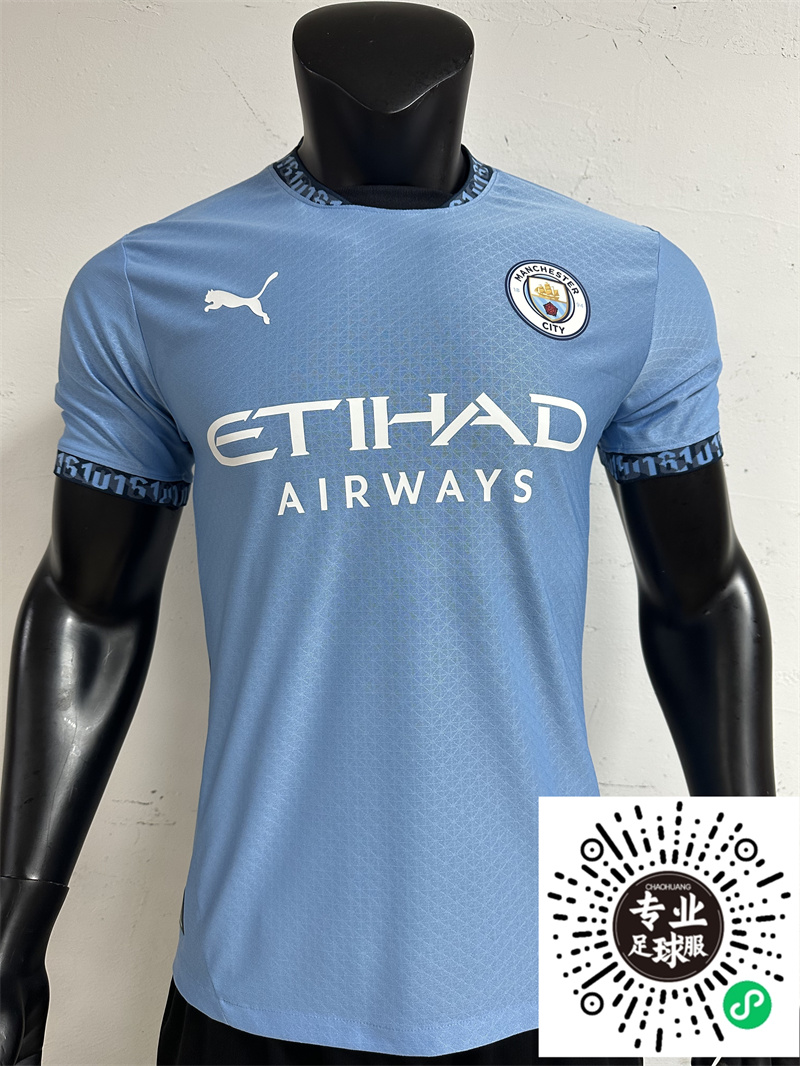
Jersey fabric is a stretchy, soft, and comfortable material that is often used in making clothing items like t-shirts, tanks, and leggings. Made from cotton, spandex, or a blend of both, Jersey fabric provides excellent elasticity and a smooth finish. However, its moisture-wicking capabilities make it a standout option among fabric choices.
What Is Moisture-Wicking?
Moisture-wicking refers to the fabric&039;s ability to draw sweat and moisture away from the skin, keeping the wearer dry and comfortable. This technology is particularly beneficial in hot and humid weather, as it helps prevent discomfort and chafing.
Now, let&039;s compare Jersey fabric with moisture-wicking properties to traditional fabrics, such as cotton, linen, and wool, and discuss their pros and cons.
Comfort and Breathability
Jersey fabric with moisture-wicking properties is undoubtedly more comfortable and breathable than traditional fabrics like cotton and wool. The stretchy nature of Jersey allows for a snug fit, reducing the friction and chafing that can occur with traditional fabrics. Additionally, moisture-wicking fabrics help maintain a dry, cool feel, which is perfect for activities that cause sweating, such as exercising.
Traditional fabrics like cotton and wool tend to trap moisture, which can lead to discomfort and odors. Linen, on the other hand, is known for its breathability but lacks moisture-wicking properties.
Durability and Versatility
Jersey fabric is highly durable due to its stretchy nature, which helps it maintain its shape over time. This durability makes it suitable for various clothing items, from casual wear to activewear.
Traditional fabrics, such as cotton and wool, are also durable, but their lack of stretch may result in faster wear and tear. Linen is known for its longevity but can be prone to shrinking and wrinkling.
Thermal Regulation
Moisture-wicking Jersey fabric is an excellent choice for managing body temperature, especially during physical activities. It helps maintain a cool, dry feel by wicking away sweat and moisture.
Traditional fabrics like cotton and wool offer varying levels of thermal regulation. Cotton is breathable but can become damp, while wool retains heat and can become overheated in warm weather. Linen provides moderate warmth and is suitable for moderate climates.
Eco-Friendliness
Jersey fabric, particularly when made from organic cotton or recycled materials, is more eco-friendly than traditional fabrics like wool and synthetic fibers. It requires less water and pesticides for production. Linen, being a natural fiber, is also eco-friendly, but it requires significant water and energy for processing.
Care and Maintenance
Jersey fabric with moisture-wicking properties is generally easier to care for than traditional fabrics. It can often be machine-washed and dried, making it a convenient option for busy lifestyles. Traditional fabrics may require more careful handling and special detergents to maintain their quality.
In conclusion, Jersey fabric with moisture-wicking properties offers numerous benefits over traditional fabrics, including comfort, breathability, durability, thermal regulation, and eco-friendliness. While traditional fabrics like cotton, wool, and linen have their own advantages, such as versatility and warmth, the moisture-wicking properties of Jersey fabric make it a superior choice for those seeking comfort and functionality. Ultimately, the better fabric for you will depend on your personal preferences, needs, and lifestyle.