Introduction
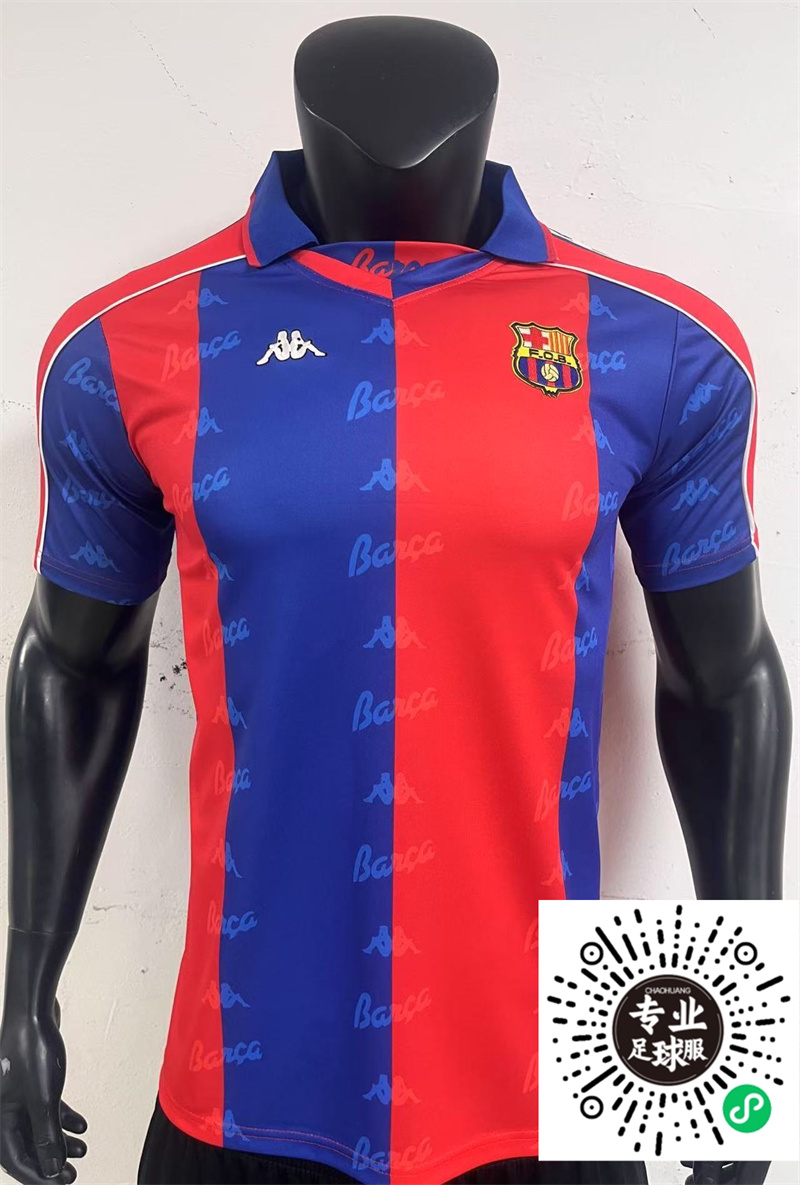
Jersey fabric, a popular choice in the fashion industry, offers a plethora of benefits that make it a favorite among designers and consumers alike. With its versatile properties and comfortable feel, jersey fabric has become a staple in various clothing items, from casual wear to formal attire. In this article, we will explore the benefits of various jersey fabric types in fashion design and how they contribute to the creation of stylish and functional garments.
1. Cotton Jersey
Cotton jersey is a soft, breathable fabric that is perfect for warm weather clothing. Made from 100% cotton, this fabric type is known for its comfort and durability. It is ideal for creating t-shirts, dresses, and loungewear due to its stretchy nature and smooth texture. Here are some benefits of using cotton jersey in fashion design:
– Comfort: Cotton jersey is gentle on the skin, making it a preferred choice for activewear and everyday clothing.
– Breathability: The breathable nature of cotton jersey helps to regulate body temperature, keeping the wearer comfortable in various weather conditions.
– Versatility: Cotton jersey can be easily dyed and printed, allowing designers to create unique and eye-catching pieces.
2. Poly Jersey
Poly jersey, also known as polyester jersey, is a synthetic fabric that is known for its durability and wrinkle resistance. It is a popular choice for activewear and sportswear due to its ability to retain shape and dry quickly. The following benefits make poly jersey a valuable fabric type in fashion design:
– Durability: Poly jersey is highly durable and can withstand frequent washing and wearing without losing its shape.
– Stretch: Poly jersey offers excellent stretch, making it ideal for creating clothing that moves with the body, such as yoga pants and sports bras.
– Low maintenance: Poly jersey is easy to care for, requiring minimal ironing and can be machine washed and dried.
3. Spandex Jersey
Spandex jersey is a stretchy fabric that combines the comfort of cotton with the stretch of spandex. This fabric type is often used in creating clothing items that require a snug fit, such as leggings, swimsuits, and intimate wear. The benefits of using spandex jersey in fashion design include:
– Stretch: Spandex jersey offers superior stretch, allowing for a comfortable and flexible fit that moves with the body.
– Compression: The compression properties of spandex jersey can provide support and improve circulation, making it a preferred choice for activewear.
– Elasticity: Spandex jersey maintains its elasticity over time, ensuring that the clothing retains its shape and fit.
4. Bamboo Jersey
Bamboo jersey is a sustainable fabric that is becoming increasingly popular in the fashion industry. Made from bamboo fibers, this fabric type is known for its softness, breathability, and eco-friendly nature. The following benefits of bamboo jersey make it an excellent choice for fashion designers:
– Softness: Bamboo jersey is incredibly soft and gentle on the skin, resembling silk or cashmere.
– Breathability: Like cotton jersey, bamboo jersey is highly breathable, helping to regulate body temperature.
– Sustainability: Bamboo is a rapidly renewable resource that requires minimal water and land, making bamboo jersey an eco-friendly option.
Conclusion
Jersey fabric types offer a wide range of benefits for fashion designers, from comfort and breathability to durability and stretch. By understanding the unique properties of each jersey fabric type, designers can create stylish and functional garments that cater to the needs of their customers. Whether it&039;s cotton jersey, poly jersey, spandex jersey, or bamboo jersey, these fabric types have the potential to revolutionize the fashion industry and contribute to a more sustainable and comfortable future for consumers.