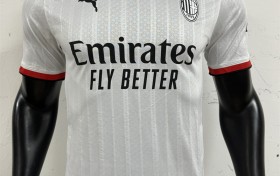
When it comes to crafting costumes, the choice of fabric is paramount. One fabric that stands out for its versatility and durability is jersey. Whether you are a professional costume maker or a hobbyist, understanding the essentials of jersey fabric is crucial for creating stunning and long-lasting costumes. In this article, we will delve into the world of jersey fabric, exploring its properties, benefits, and tips for selecting the right jersey for your costume-making projects.
Understanding Jersey Fabric
Jersey fabric is a stretchy, knitted fabric that is known for its softness, comfort, and ease of movement. It is made from natural fibers such as cotton, wool, or synthetic materials like polyester and spandex. The knit structure of jersey allows it to stretch in both directions, making it an excellent choice for costumes that require a comfortable fit and freedom of movement.
Properties of Jersey Fabric
One of the key properties of jersey fabric is its elasticity. This elasticity allows the fabric to conform to the body, providing a snug fit without feeling restrictive. Additionally, jersey fabric is breathable, which is important for costumes that will be worn for extended periods. It also has a smooth surface that is less likely to snag or pill, making it a practical choice for costumes that will be handled frequently.
Benefits of Jersey Fabric for Costume Making
Jersey fabric offers several benefits for costume making:
1. Versatility: Jersey can be used to create a wide range of costumes, from simple garments to complex, detailed outfits. Its stretchy nature allows for a wide range of body types to be accommodated.
2. Comfort: The softness and stretchiness of jersey make it a comfortable choice for costumes that will be worn for extended periods, such as those worn in theater productions or costume parties.
3. Durability: High-quality jersey fabric is durable and can withstand repeated wear and washing, ensuring that your costumes will last for years.
4. Ease of Use: Jersey fabric is easy to work with, making it accessible for both beginners and experienced costume makers. It can be cut and sewn using standard sewing techniques, and it does not require special equipment or tools.
Selecting the Right Jersey Fabric
Choosing the right jersey fabric for your costume is essential for achieving the desired look and feel. Here are some factors to consider when selecting jersey fabric:
1. Fabric Weight: Jersey fabric comes in various weights, from lightweight to heavy. The weight of the fabric will determine the overall look and feel of the costume. Lightweight jersey is suitable for summer costumes or those requiring a more fluid movement, while heavier jersey is better for costumes that need to be more structured.
2. Fabric Content: The content of the jersey fabric will affect its durability, comfort, and cost. Natural fibers like cotton and wool are breathable and comfortable but may be more expensive. Synthetic materials like polyester and spandex are durable and less expensive but may not be as breathable.
3. Color and Pattern: The color and pattern of the jersey fabric should complement the costume design. Solid colors are versatile and can be used for a wide range of costumes, while patterns can add visual interest and character.
4. Fabric Width: The width of the jersey fabric can impact the number of pieces you can cut from a single yard. Wider fabric allows for larger pieces, which can save time and reduce waste.
Conclusion
Jersey fabric is an invaluable tool for costume makers, offering versatility, comfort, and durability. By understanding the properties and benefits of jersey fabric, and by selecting the right fabric for your project, you can create stunning costumes that will stand out and last. Whether you are crafting costumes for theater, film, or personal enjoyment, jersey fabric is an essential element of your costume-making toolkit.