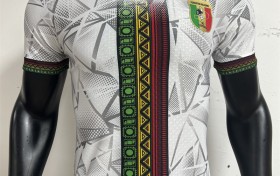
The choice of jersey fabric roll sizes can significantly impact the efficiency and cost-effectiveness of garment production. As a key material in the clothing industry, jersey fabric is widely used in various garment types, including t-shirts, dresses, and sportswear. This article will discuss the importance of jersey fabric roll sizes in garment production, their influence on production costs, and how to optimize jersey fabric roll sizes for better efficiency.

I. The Importance of Jersey Fabric Roll Sizes in Garment Production
1. Material Consumption
The size of jersey fabric rolls directly affects the amount of material used in garment production. Larger rolls can reduce the number of roll changes, thereby reducing material waste and saving costs. Conversely, smaller rolls may require more frequent roll changes, leading to increased waste and higher production costs.
2. Production Efficiency
The size of jersey fabric rolls can also affect production efficiency. Larger rolls can reduce the time spent on changing rolls, allowing for more continuous production. This can improve the overall production speed and reduce the waiting time for materials, thereby increasing production efficiency.
3. Storage Space
The size of jersey fabric rolls also affects storage space. Larger rolls can save storage space, while smaller rolls may require more storage space. Optimizing jersey fabric roll sizes can help reduce storage costs and improve the storage environment.
II. The Influence of Jersey Fabric Roll Sizes on Production Costs
1. Material Costs
The size of jersey fabric rolls can affect material costs. Larger rolls can reduce the unit cost of materials, while smaller rolls may increase the unit cost. By optimizing jersey fabric roll sizes, manufacturers can reduce material costs and improve cost-effectiveness.
2. Labor Costs
The size of jersey fabric rolls can also affect labor costs. Larger rolls can reduce the time spent on changing rolls, thereby reducing labor costs. Conversely, smaller rolls may require more frequent roll changes, increasing labor costs.
3. Waste Costs
The size of jersey fabric rolls can affect waste costs. Larger rolls can reduce material waste, while smaller rolls may increase waste. By optimizing jersey fabric roll sizes, manufacturers can reduce waste costs and improve cost-effectiveness.
III. How to Optimize Jersey Fabric Roll Sizes for Better Efficiency
1. Analyze Production Requirements
Before determining jersey fabric roll sizes, manufacturers should analyze their production requirements, including the types of garments produced, the required material quantities, and the production speed. This can help them choose the most suitable roll sizes for their production needs.
2. Consider Material Characteristics
Different jersey fabric materials have different characteristics, such as thickness, width, and weight. Manufacturers should consider these characteristics when selecting jersey fabric roll sizes, ensuring that the rolls meet the production requirements.
3. Balance Production Efficiency and Costs
Manufacturers should strive to balance production efficiency and costs when selecting jersey fabric roll sizes. By optimizing roll sizes, they can reduce material waste, labor costs, and waste costs, thereby improving cost-effectiveness.
4. Establish a Roll Inventory Management System
To ensure the continuous supply of jersey fabric rolls, manufacturers should establish a roll inventory management system. This system can help them monitor the roll inventory, predict roll consumption, and timely replenish rolls, thereby ensuring production continuity.
In conclusion, the size of jersey fabric rolls plays a crucial role in garment production. By optimizing jersey fabric roll sizes, manufacturers can reduce material waste, labor costs, and waste costs, thereby improving cost-effectiveness and production efficiency. It is essential for manufacturers to analyze their production requirements, consider material characteristics, balance production efficiency and costs, and establish a roll inventory management system to achieve better production results.