In the competitive world of textile manufacturing, jersey fabric stands out as a versatile and sought-after material. Known for its softness, elasticity, and comfort, jersey fabric is widely used in the production of garments, accessories, and home textiles. This article delves into the various techniques and best practices involved in jersey fabric manufacturing to ensure high-quality and durable products.
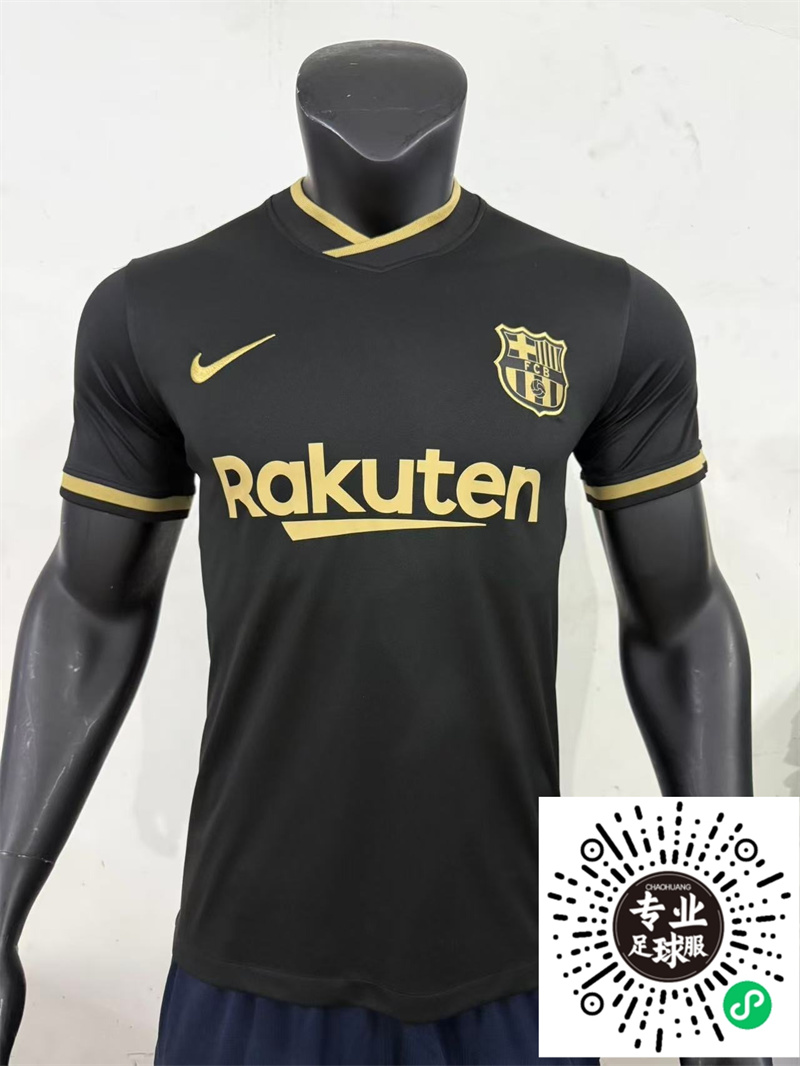
Understanding Jersey Fabric
Jersey fabric is a type of knitted fabric that is characterized by its smooth and stretchy texture. It is created by interlocking loops of yarn, which results in a tight weave that contributes to its elasticity. There are two main types of jersey fabric: single jersey and rib jersey. Single jersey is the most common and features a flat face, while rib jersey has a waffle-like texture, which adds extra warmth and durability.
Raw Material Selection
The quality of jersey fabric begins with the selection of raw materials. High-quality yarn is crucial for the production of superior jersey fabric. The yarn can be made from natural fibers like cotton, wool, and silk, or from synthetic materials such as nylon, spandex, and polyester. Each type of yarn has its unique properties that influence the final fabric&039;s characteristics.
Knitting Techniques
The knitting process is central to jersey fabric manufacturing. There are several knitting machines available, including circular knitting machines, warp knitting machines, and flat knitting machines. Each type of machine has its own set of advantages and is suitable for different fabric designs and quantities.
1. Circular Knitting: This method is ideal for producing tube-like garments such as socks, tights, and hosiery. Circular knitting machines work by continuously looping yarn to create a seamless tube.
2. Warp Knitting: Suitable for large-scale production, warp knitting machines create fabrics with complex patterns and structures. They are often used in the production of industrial and technical textiles.
3. Flat Knitting: This technique is used to create flat pieces of fabric, such as t-shirts and baby garments. Flat knitting machines can produce a variety of stitch patterns and textures.
Quality Control
Ensuring the quality of jersey fabric is essential throughout the manufacturing process. This involves several steps:
1. Yarn Inspection: Before the knitting process begins, yarn is inspected for any defects or impurities that could affect the final fabric quality.
2. Knitting Process Monitoring: Continuous monitoring of the knitting process helps identify any issues that may arise, such as thread breakage or misaligned loops.
3. Finishing Operations: Post-knitting, the fabric goes through various finishing operations like washing, drying, and ironing. These steps remove any residual oils or chemicals, and ensure the fabric is smooth and ready for further processing.
Best Practices in Jersey Fabric Manufacturing
To produce top-notch jersey fabric, several best practices should be followed:
1. Consistent Yarn Quality: Maintain a consistent supply of high-quality yarn to ensure consistent fabric quality.
2. Regular Maintenance of Machines: Regular maintenance of knitting machines minimizes downtime and reduces the risk of defects in the fabric.
3. Skilled Workforce: Employ skilled workers who are well-trained in operating knitting machines and understanding the intricacies of jersey fabric production.
4. Innovation and R&D: Continuously invest in research and development to create new jersey fabric designs and improve existing processes.
5. Environmental Responsibility: Implement eco-friendly practices, such as using recycled materials and reducing energy consumption, to minimize the environmental impact of jersey fabric manufacturing.
In conclusion, jersey fabric manufacturing is a complex process that requires attention to detail and adherence to best practices. By selecting high-quality raw materials, employing advanced knitting techniques, and maintaining strict quality control, manufacturers can produce durable and comfortable jersey fabrics that meet the demands of the global market.