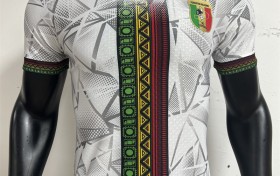
The world of fabric manufacturing is a complex and fascinating domain, with numerous processes and techniques employed to create a wide array of textiles. One such fabric that stands out for its versatility and durability is the jersey fabric. This article delves into the intricate details of the jersey fabric manufacturing process, from raw materials to the finished product.

The first step in the jersey fabric manufacturing process is sourcing high-quality raw materials. The most common raw material used to produce jersey fabric is cotton, which is known for its softness, breathability, and comfort. Other natural fibers like bamboo, wool, and linen can also be used, depending on the desired properties of the fabric.
Once the raw materials are sourced, they are processed to be ready for weaving. This involves several stages, including cleaning, blending, and carding. Cleaning removes impurities and contaminants from the fibers, ensuring that the final product is of high quality. Blending combines different types of fibers to achieve the desired characteristics, while carding aligns the fibers in a parallel direction, preparing them for the next stage.
The next step in the jersey fabric manufacturing process is spinning, where the fibers are drawn out and twisted into a continuous thread or yarn. There are several spinning techniques used, including open-end spinning, ring spinning, and rotor spinning. Open-end spinning is the most commonly used method for jersey fabric, as it produces a smooth and even yarn with a high degree of flexibility.
Once the yarn is spun, it is ready for weaving. The weaving process involves two sets of yarns: the warp and the weft. The warp yarns are vertically aligned, while the weft yarns are horizontally aligned, creating the characteristic stretchy texture of jersey fabric. There are various weaving techniques used to produce jersey fabric, including the plain weave, the rib weave, and the pique weave.
After the weaving process, the jersey fabric undergoes several finishing steps to enhance its appearance and functionality. These include desizing, bleaching, dyeing, and finishing.
Desizing is the process of removing any remaining sizing material, which is used during the weaving process to help the yarns stick together. Bleaching is used to achieve a desired color and to remove any natural impurities from the fibers. Dyeing is the process of applying a specific color to the fabric, which can be done using various dyeing methods such as immersion dyeing, pad dyeing, and jet dyeing.
The final step in the jersey fabric manufacturing process is finishing. This involves treating the fabric with chemicals and heat to improve its properties, such as softness, stretch, and resistance to wrinkles. Common finishing processes include mercerization, sanforizing, and enzyme treatment.
One of the key advantages of jersey fabric is its ability to stretch, which is a direct result of the weaving process. The yarns used in jersey fabric are highly twisted, which creates a high degree of elasticity. This makes jersey fabric ideal for clothing items that require a comfortable fit, such as t-shirts, sweatshirts, and activewear.
Another advantage of jersey fabric is its breathability, which is achieved through the weaving process. The open weave of jersey fabric allows air to pass through, keeping the wearer cool and comfortable. Additionally, jersey fabric is known for its durability and ease of care, making it a popular choice for both consumers and manufacturers.
In conclusion, the jersey fabric manufacturing process is a sophisticated and multi-step process that requires precision and expertise. From sourcing high-quality raw materials to the final finishing steps, every stage plays a crucial role in creating a fabric that is both beautiful and functional. Understanding the intricacies of jersey fabric manufacturing can help consumers appreciate the value and quality of the products they purchase, while also providing insights for manufacturers looking to improve their processes and create innovative new fabrics.