When it comes to choosing the right jersey fabric, understanding its weight is crucial. The weight of the fabric can significantly affect the comfort, fit, and performance of the jersey. In this article, we will delve into the importance of jersey fabric weight and provide you with the essential information you need to make an informed decision before purchasing your next jersey.
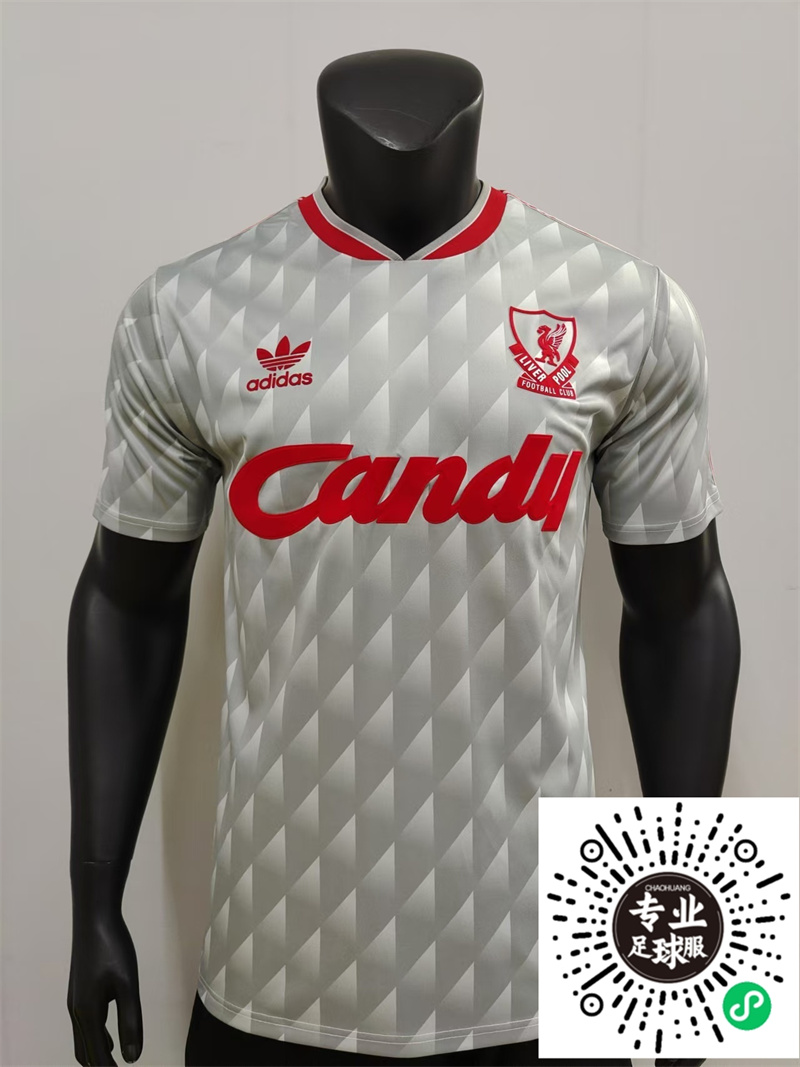
1. What is Jersey Fabric Weight?
Jersey fabric weight refers to the density of the fabric, which is measured in grams per square meter (gsm). This measurement indicates how thick the fabric is and how much yarn was used to create it. The higher the gsm, the heavier the fabric will be.
2. Types of Jersey Fabrics Based on Weight
Jersey fabrics are categorized into different weight classes, each offering unique characteristics. Here are the common weight classes:
– Lightweight (100-150 gsm): These fabrics are ideal for warm-weather activities, as they provide breathability and comfort. Lightweight jerseys are perfect for running, cycling, or casual wear.
– Medium Weight (150-200 gsm): Medium-weight jerseys strike a balance between warmth and breathability. They are suitable for various activities, including hiking, camping, and sports.
– Heavyweight (200-300 gsm): Heavyweight jerseys offer excellent warmth and insulation, making them ideal for cold-weather activities, such as skiing, snowboarding, and winter sports.
3. The Impact of Jersey Fabric Weight on Performance
The weight of the jersey fabric can affect the performance of the garment in several ways:
– Comfort: A lighter jersey fabric is more comfortable for warm-weather activities, as it allows better airflow and moisture management. Conversely, a heavier jersey fabric provides more warmth and insulation, which is essential for cold-weather activities.
– Fit: The weight of the fabric can also influence the fit of the jersey. A heavier jersey fabric may be more forgiving and provide a looser fit, while a lighter fabric may be more form-fitting.
– Durability: Heavier jerseys are often more durable due to their thicker weave and the amount of yarn used. This can be beneficial for athletes who require a long-lasting garment.
4. How to Choose the Right Jersey Fabric Weight
To select the appropriate jersey fabric weight, consider the following factors:
– Activity: Choose a lightweight jersey for warm-weather activities and a heavier jersey for cold-weather activities.
– Climate: If you live in a region with extreme temperatures, opt for a jersey that provides versatility, such as a medium-weight jersey.
– Personal preference: Some individuals may prefer a looser fit, while others may prefer a tighter fit. Consider your comfort level and the intended use of the jersey when choosing the fabric weight.
5. Conclusion
Understanding jersey fabric weight is essential when purchasing a jersey for your specific needs. By considering the type of fabric, its weight, and how it will impact your performance and comfort, you can make an informed decision. Whether you&039;re a casual athlete or a professional, choosing the right jersey fabric weight can help you enjoy your activities more and achieve your goals.