In the world of activewear, the choice of fabric is paramount, as it directly impacts the comfort, performance, and overall experience of the wearer. One fabric that has gained significant popularity in this niche is the jersey knit. Known for its breathable and stretchy properties, jersey knit fabric is a go-to material for many activewear brands. This article delves into the characteristics of jersey knit fabric, its benefits for activewear, and how it contributes to an enhanced athletic experience.
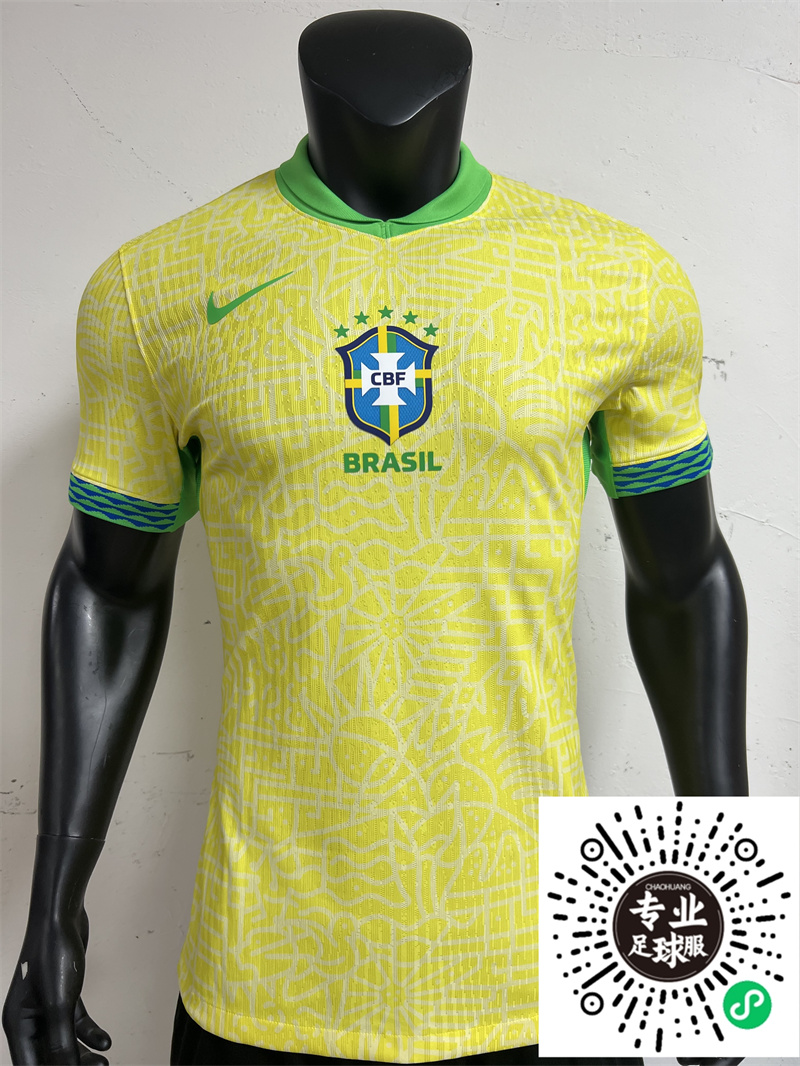
Understanding Jersey Knit Fabric
Jersey knit fabric is a type of knitted fabric that is known for its soft texture and elasticity. It is made by interlocking loops of yarn to create a stretchy, breathable material. The loops are knit into a single layer, which gives jersey knit its characteristic smooth, comfortable feel against the skin. This fabric is often made from cotton, spandex, or a blend of both, which contributes to its exceptional stretch and durability.
Breathability: The Key to Comfort
One of the primary reasons jersey knit fabric is favored in activewear is its breathability. During physical activity, the body generates heat, and a breathable fabric helps to dissipate this heat, keeping the wearer cool and comfortable. The open weave structure of jersey knit allows air to flow through, promoting ventilation and reducing the likelihood of overheating. This is particularly important for athletes who engage in high-intensity workouts, as it helps to maintain an optimal body temperature.
Stretchiness: The Flexibility Factor
The stretchy nature of jersey knit fabric is another crucial aspect that makes it ideal for activewear. This fabric can stretch up to 50% of its original length without losing its shape, providing a full range of motion for the wearer. This is essential for activities that require agility and freedom of movement, such as running, yoga, or weightlifting. The elasticity of jersey knit ensures that the fabric moves with the body, reducing the risk of chafing and irritation, which can be common with less flexible materials.
Durability and Longevity
Jersey knit fabric is not only comfortable and functional but also durable. The interlocking loops create a strong bond between the fibers, making the fabric resistant to tearing and wear. This durability is especially important for activewear, which is often subjected to rigorous use. By choosing jersey knit for their products, activewear brands can offer customers garments that are designed to last, providing value and satisfaction over time.
Versatility in Design
The versatility of jersey knit fabric is a significant advantage for activewear designers. Its smooth texture and ability to drape well make it suitable for a wide range of styles, from fitted tanks and sports bras to comfortable leggings and shorts. The fabric&039;s elasticity allows for a snug fit that can enhance performance, while also being comfortable enough for lounging post-workout. This versatility ensures that jersey knit can be used across various activewear categories, catering to different athletic needs and preferences.
Environmental Considerations
In recent years, environmental sustainability has become a crucial factor in the fashion industry. Fortunately, jersey knit fabric can be produced using eco-friendly materials and processes. For instance, organic cotton and recycled spandex can be used to create jersey knit, reducing the environmental impact of activewear production. This eco-conscious approach aligns with the values of many consumers who are increasingly seeking sustainable activewear options.
Conclusion
Breathable and stretchy jersey knit fabric is a game-changer in the activewear industry. Its unique combination of comfort, functionality, and durability makes it an ideal choice for athletes seeking optimal performance and comfort. As activewear brands continue to innovate and prioritize quality, jersey knit fabric is likely to remain a staple in the world of athletic apparel, providing a superior experience for those who push their bodies to the limit.