In the world of textiles, knit fabrics have become increasingly popular due to their comfort, versatility, and durability. One of the most iconic types of knit fabrics is jersey knit, which is widely used in the production of clothing items. This article aims to explore the Stretch Test Challenge: Jersey Knit Fabric Versus Other Knit Materials, and provide a comprehensive comparison of their properties and applications.
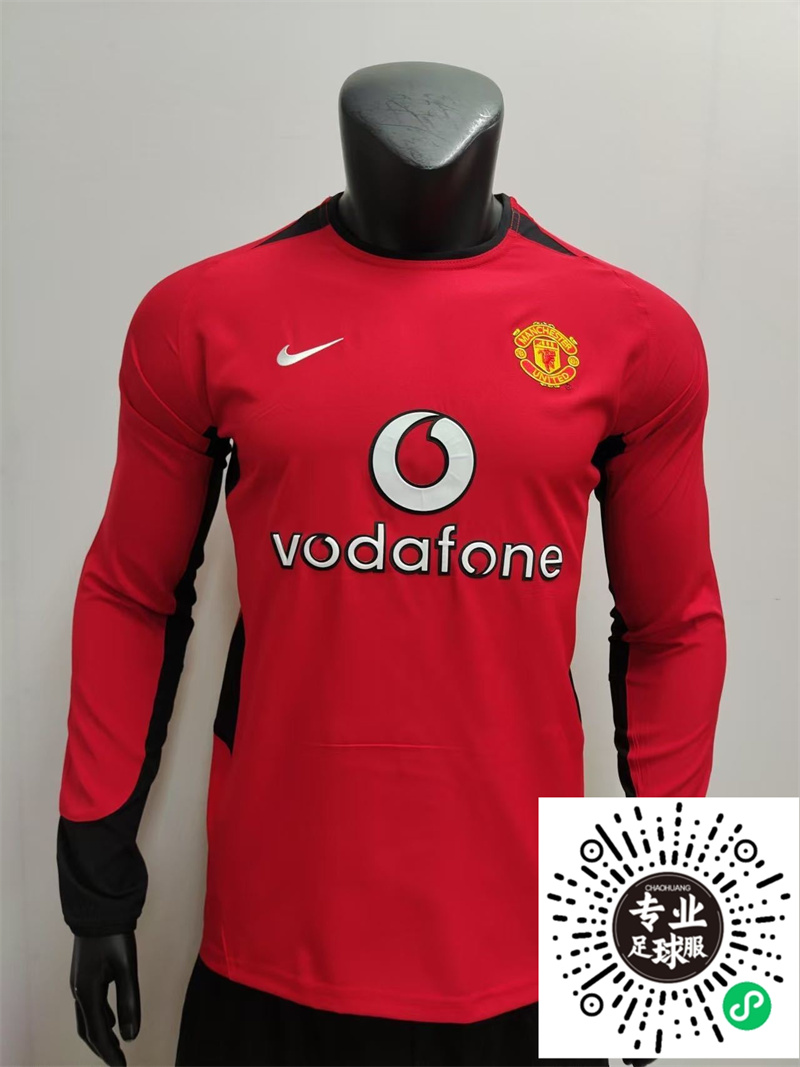
First and foremost, let’s delve into the properties of jersey knit fabric. Jersey knit is a type of fabric that is made by looping yarns in a single direction, creating a smooth, comfortable, and elastic surface. This unique construction allows jersey knit fabric to stretch in two directions, making it ideal for garments that require a good deal of flexibility. Some of the key properties of jersey knit include:
1. Elasticity: Jersey knit fabric is highly elastic, which means it can stretch and recover its original shape after being stretched. This property makes it suitable for garments that need to accommodate the body’s movements without causing discomfort.
2. Comfort: The smooth surface of jersey knit fabric allows it to glide over the skin, providing a comfortable and breathable wearing experience.
3. Versatility: Jersey knit fabric can be used to create a wide range of clothing items, from casual tops and dresses to activewear and swimwear.
Now, let’s compare jersey knit fabric with other knit materials, such as cotton jersey, rib knit, and modal jersey, by examining their properties and applications.
1. Cotton Jersey:
Cotton jersey is a popular choice for clothing due to its softness, breathability, and comfort. It is made from cotton yarns and has a similar construction to jersey knit. Some of the key differences between cotton jersey and jersey knit include:
– Elasticity: Cotton jersey is less elastic than jersey knit, which means it may not provide as much stretch and recovery.
– Comfort: Both cotton jersey and jersey knit offer a comfortable wearing experience, but cotton jersey may be slightly more breathable due to its natural fiber content.
– Applications: Cotton jersey is commonly used in the production of casual tops, dresses, and loungewear.
2. Rib Knit:
Rib knit is another type of knit fabric that is widely used in the textile industry. It features a distinctive ribbed texture and is made by looping yarns in a combination of knit and purl stitches. Here are some of the properties and applications of rib knit:
– Elasticity: Rib knit is highly elastic, which makes it suitable for garments that need to fit tightly, such as sweaters and hosiery.
– Comfort: The ribbed texture provides a snug, comfortable fit that helps to retain warmth in cold weather.
– Applications: Rib knit is commonly used in the production of sweaters, turtlenecks, and hosiery.
3. Modal Jersey:
Modal jersey is a luxurious knit fabric made from modal fibers, which are derived from beechwood trees. Some of the properties and applications of modal jersey include:
– Elasticity: Modal jersey is less elastic than jersey knit and rib knit, but it still offers a comfortable fit.
– Comfort: The smooth, soft texture of modal jersey provides an exceptional level of comfort and luxury.
– Applications: Modal jersey is often used in the production of high-end garments, such as blouses, dresses, and sleepwear.
In conclusion, the Stretch Test Challenge: Jersey Knit Fabric Versus Other Knit Materials highlights the unique properties and applications of jersey knit fabric and its derivatives. While jersey knit is known for its elasticity, comfort, and versatility, other knit materials like cotton jersey, rib knit, and modal jersey offer their own advantages and are suitable for various clothing applications. By understanding the differences between these materials, designers and manufacturers can make informed decisions to create high-quality, comfortable, and durable garments.