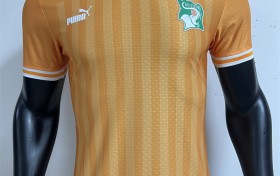
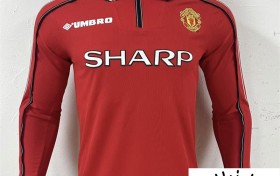
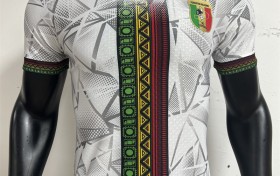
In today’s fast-paced and highly competitive athletic world, comfort and flexibility are two key elements that can make or break an athlete’s performance. Among the numerous materials used in athletic wear, jersey fabric stands out as a top choice for its exceptional comfort and flexibility. This article delves into how jersey fabric enhances comfort and flexibility in athletic wear, making it a favorite among athletes worldwide.
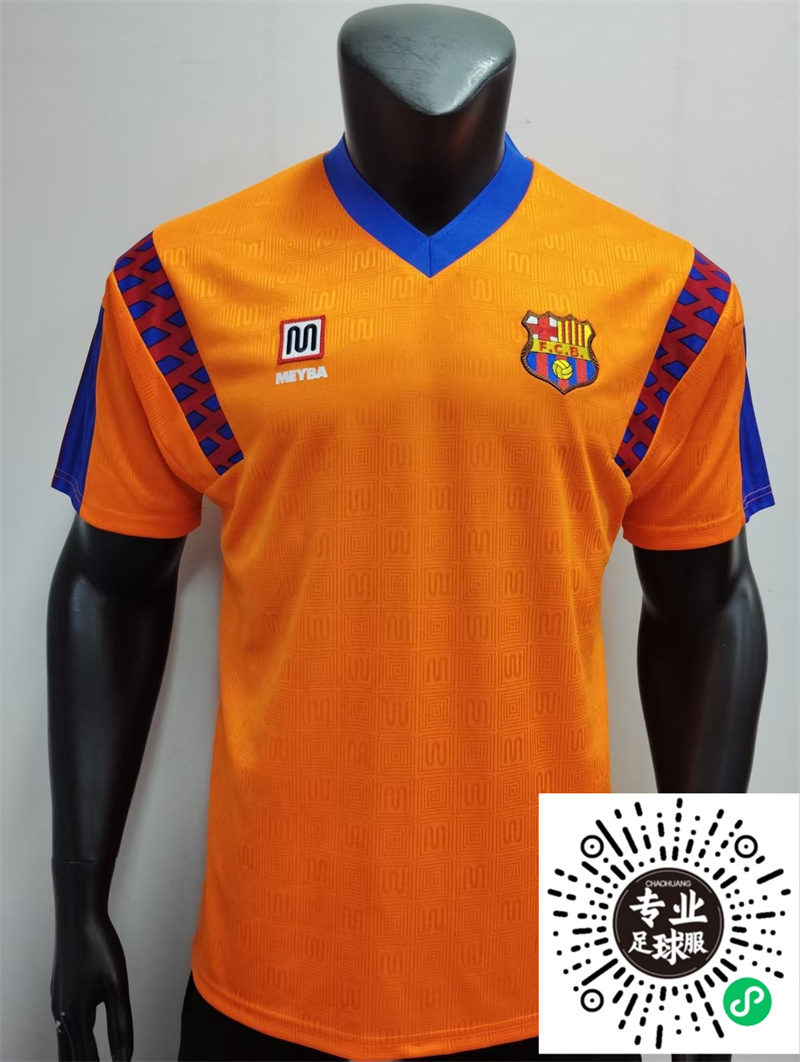
Firstly, jersey fabric is a type of knit fabric, which is known for its stretchiness and elasticity. Unlike woven fabrics, which have a more rigid structure, jersey fabric is made up of loops that create a soft, breathable, and stretchy texture. This unique structure allows the fabric to conform to the body’s contours, providing a snug and comfortable fit without restricting movement.
The elasticity of jersey fabric is one of its most notable features, making it an excellent choice for athletic wear. When an athlete moves, the fabric stretches to accommodate the movement, ensuring that the clothing remains in place and does not hinder performance. This elasticity is crucial during high-intensity activities, such as running, jumping, or weightlifting, as it reduces the risk of discomfort or chafing, which can lead to injuries.
Moreover, jersey fabric is highly breathable, which is essential for maintaining an athlete’s body temperature during intense workouts. The knit structure of the fabric allows air to circulate more freely, which helps to dissipate sweat and keep the skin dry. Staying dry is critical for preventing chafing and irritation, as well as for maintaining optimal performance.
Another advantage of jersey fabric is its lightweight nature. The thin, breathable weave of the fabric ensures that it does not weigh down the athlete, making it an ideal choice for activities that require agility and speed. This lightweight quality is particularly beneficial for athletes who participate in sports such as soccer, basketball, or volleyball, where quick movements and changes in direction are paramount.
In addition to its comfort and flexibility, jersey fabric also offers several other benefits that make it a superior choice for athletic wear. For instance, it is durable and resistant to wear and tear, which is essential for long-lasting performance. The fabric is also easy to care for, as it can be machine washed and dried without losing its shape or elasticity.
Furthermore, jersey fabric is available in a wide range of colors and patterns, allowing athletes to express their personal style while still enjoying the benefits of the fabric. This versatility makes jersey fabric a favorite among both professional athletes and recreational sports enthusiasts.
One of the most significant advantages of jersey fabric is its ability to provide compression. While not as tight as other compression fabrics, jersey fabric offers just enough compression to improve blood circulation and reduce muscle fatigue. This compression effect can help athletes perform better and recover faster, as it supports the muscles and helps to reduce swelling.
In conclusion, jersey fabric is an excellent choice for athletic wear due to its exceptional comfort and flexibility. Its elasticity, breathability, lightweight nature, durability, and compression properties make it an ideal material for athletes of all levels. Whether you are a professional athlete or a recreational sports enthusiast, investing in jersey fabric athletic wear can help you achieve your best performance and enjoy the sport you love even more.