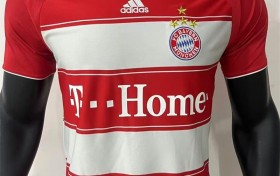
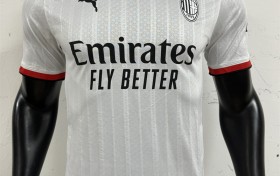
In today’s fast-paced world, where comfort meets performance, the design of athletic wear has evolved to cater to the diverse needs of athletes. One fabric that has gained significant attention in this domain is jersey. Known for its lightweight, breathable, and stretchable properties, jersey fabric is a game-changer in the athletic wear industry. This article delves into the intricacies of designing athletic wear with jersey fabric, focusing on maximizing mobility for athletes.
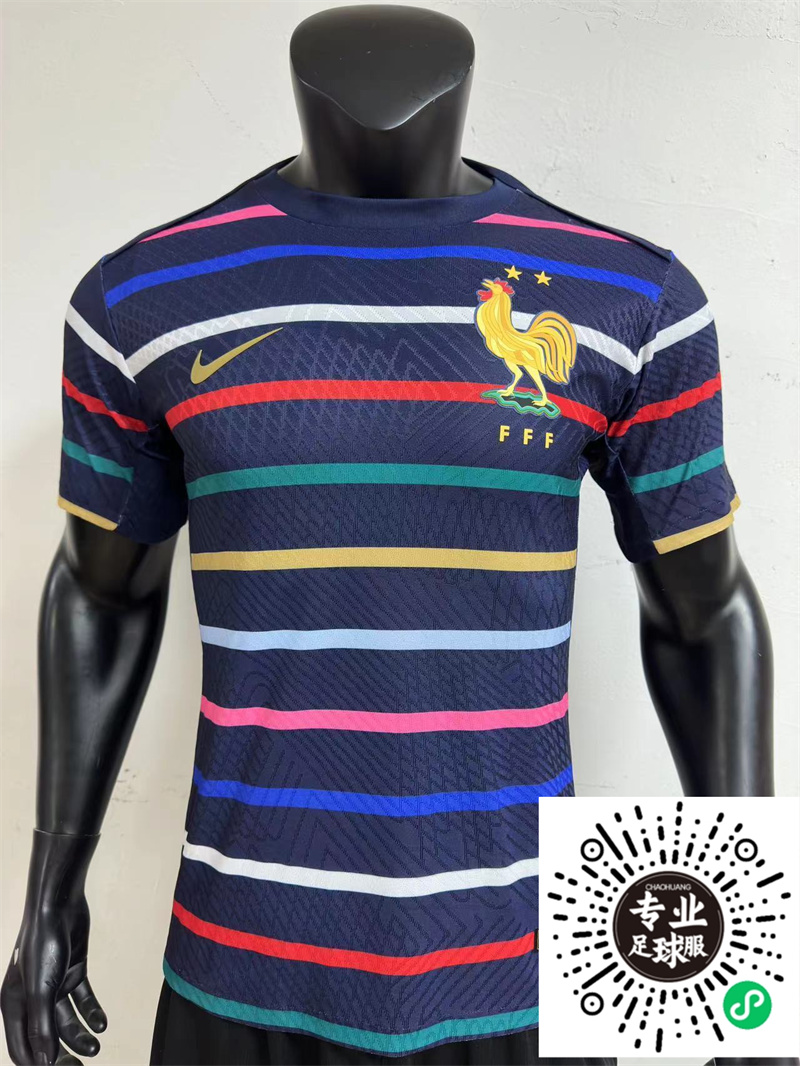
The first step in designing athletic wear with jersey fabric is to understand its unique characteristics. Jersey fabric is a versatile material that is often made from cotton, synthetic fibers, or a blend of both. It is characterized by its soft, smooth texture and excellent stretchability, making it ideal for athletic wear. The fabric’s elasticity allows it to accommodate the dynamic movements of athletes during their workouts, thereby reducing the risk of injuries.
One of the primary concerns in athletic wear design is ensuring maximum mobility for the wearer. When designing athletic wear with jersey fabric, it is essential to consider the following factors to achieve this goal:
1. Pattern and Fit: The pattern and fit of the garment play a crucial role in maximizing mobility. A well-fitted jersey fabric garment allows for unrestricted movement, which is essential for athletes. When designing the pattern, it is important to consider the body’s natural curves and the areas that require more flexibility, such as the shoulders, hips, and knees. The pattern should be designed to minimize any unnecessary bulk, ensuring that the garment moves with the athlete’s body.
2. Cut and Seam Design: The cut and seam design of jersey fabric garments are crucial in maximizing mobility. Using flat seams and fewer seams overall can help reduce the chances of chafing or restricting movement. Additionally, incorporating flatlock seams or serged seams can provide a smooth and comfortable fit, making the garment more breathable and flexible.
3. Fabric Selection: The choice of jersey fabric is vital in achieving maximum mobility. Some jersey fabrics offer superior stretchability, while others provide excellent moisture-wicking properties. Depending on the sport and the athlete’s preferences, the fabric selection should cater to the specific requirements of the activity. For instance, a moisture-wicking jersey fabric is ideal for high-intensity workouts, while a breathable jersey fabric is perfect for endurance sports.
4. Layering: Layering is another important aspect of designing athletic wear with jersey fabric. By combining different types of jersey fabrics, athletes can achieve a balanced and comfortable layering system. For example, a moisture-wicking jersey fabric can be worn next to the skin, followed by a breathable jersey fabric layer that provides insulation and comfort.
5. Functional Features: Incorporating functional features into jersey fabric garments can enhance the overall mobility and performance of the athlete. Features such as drawstrings, adjustable hoods, and built-in pockets can provide convenience and comfort without compromising on mobility.
6. Durability: While focusing on mobility, it is crucial to ensure that the jersey fabric garments are durable and can withstand the demands of rigorous workouts. The fabric should be able to retain its shape and stretchability even after numerous washes and wear.
In conclusion, designing athletic wear with jersey fabric for maximum mobility requires a thorough understanding of the fabric’s properties and the specific needs of athletes. By focusing on factors such as pattern and fit, cut and seam design, fabric selection, layering, functional features, and durability, designers can create garments that not only look great but also perform exceptionally well. As the athletic wear industry continues to evolve, jersey fabric remains a key material that will help athletes achieve their full potential on the field, court, or track.