Choosing the right fabric for your garments is crucial in ensuring comfort, durability, and style. Among the various fabric options available, Interlock and Jersey are two popular choices. Both offer unique benefits and are suitable for different types of clothing. In this article, we will discuss the differences between Interlock and Jersey fabrics, helping you make an informed decision for your garments.
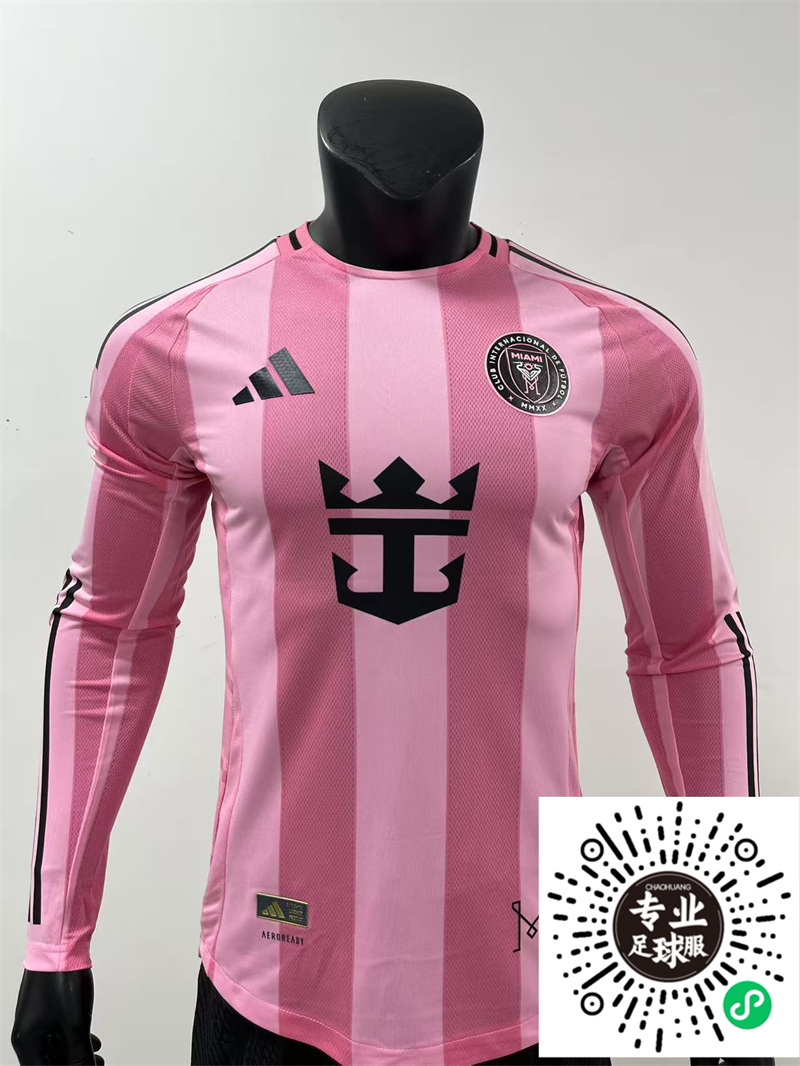
Firstly, let&039;s understand what Interlock and Jersey fabrics are.
Interlock fabric is a type of knitted fabric with a unique construction that creates a grid-like pattern. This pattern ensures that the fabric is stretchy, durable, and has excellent recovery properties. Interlock is often made from cotton, polyester, or a blend of both.
On the other hand, Jersey fabric is a soft, stretchy, and breathable fabric that is also knitted. It is known for its smooth texture and is commonly made from cotton, spandex, or a blend of both.
Now, let&039;s delve into the key differences between Interlock and Jersey fabrics.
1. Construction
Interlock fabric is constructed with a grid-like pattern, which provides it with a more structured appearance. This pattern makes the fabric more durable and resistant to pilling. In contrast, Jersey fabric has a smooth texture, giving it a softer and more comfortable feel.
2. Stretch
Both Interlock and Jersey fabrics are stretchy, but the level of stretch varies. Interlock fabric has a higher level of stretch, making it ideal for garments that require a snug fit, such as activewear or yoga pants. Jersey fabric, while also stretchy, offers a more comfortable and relaxed fit.
3. Breathability
Jersey fabric is known for its excellent breathability, making it an ideal choice for summer clothing. Its soft texture and ability to wick away moisture help keep the wearer cool and comfortable. Interlock fabric, while also breathable, may not offer the same level of comfort in hot weather.
4. Durability
Interlock fabric is more durable than Jersey fabric due to its grid-like pattern and higher level of stretch. This makes it suitable for heavy-duty clothing, such as outerwear or workwear. Jersey fabric, while still durable, may not withstand the same level of wear and tear.
5. Care
Both fabrics require similar care, including gentle washing and drying. However, Interlock fabric may require a bit more attention to maintain its shape and appearance, as the grid-like pattern can be more prone to distortion.
6. Cost
Jersey fabric is generally more affordable than Interlock fabric due to its simpler construction and lower material costs. However, the price difference may vary depending on the quality and brand.
In conclusion, choosing between Interlock and Jersey fabric for your garments depends on the specific requirements of your project. If you need a durable, stretchy, and structured fabric, Interlock is the better choice. On the other hand, if you&039;re looking for a soft, comfortable, and breathable fabric, Jersey is the way to go.
When selecting fabric for your garments, consider the following factors:
– The intended use of the garment: Choose a fabric that offers the necessary durability, stretch, and comfort for the activity or occasion.
– The target audience: Consider the preferences and needs of your target customers when selecting a fabric.
– The desired style and appearance: Choose a fabric that aligns with your design vision and brand identity.
By understanding the differences between Interlock and Jersey fabrics, you can make an informed decision to create the perfect garment for your needs.