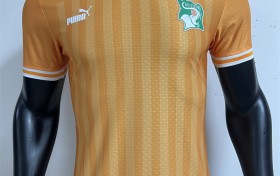
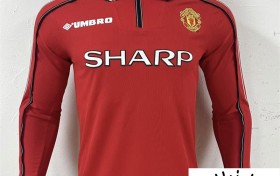
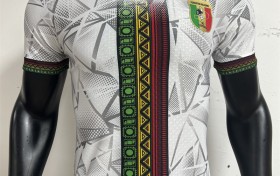
The popularity of jersey fabrics in athletic wear is not a mere trend but a reflection of their unique characteristics and benefits. From the comfort they offer to their ability to enhance performance, jersey fabrics have become an integral part of the sports apparel industry. This article delves into the science behind the popularity of jersey fabrics in athletic wear.
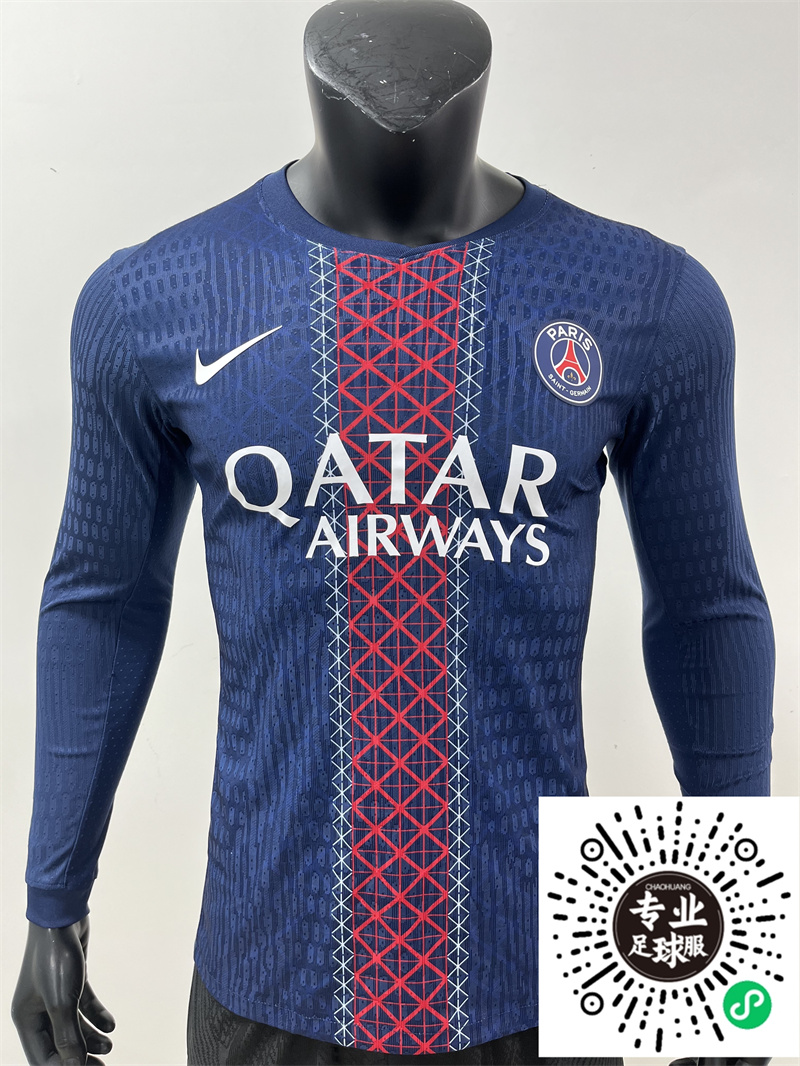
One of the primary reasons jersey fabrics have gained popularity in athletic wear is their exceptional comfort. Unlike traditional woven fabrics, jersey fabrics are made from knitted yarns that stretch and conform to the body’s contours. This elasticity ensures that the fabric moves with the athlete, reducing friction and providing a comfortable fit throughout the duration of physical activity.
The comfort factor is further enhanced by the moisture-wicking properties of jersey fabrics. These fabrics are designed to absorb sweat and move it away from the skin, allowing for a dry and comfortable experience. This moisture-wicking capability is crucial in maintaining optimal body temperature and preventing overheating during intense workouts.
The science behind jersey fabric’s moisture-wicking properties lies in its yarn composition and weave. Most jersey fabrics are made from synthetic fibers like polyester, nylon, or spandex. These fibers have hydrophobic properties, meaning they repel water. When these fibers are woven into a jersey fabric, the weave creates tiny channels that allow sweat to pass through, leading to evaporation and a cooling effect on the skin.
Another key factor contributing to the popularity of jersey fabrics is their breathability. The open weave of jersey fabrics allows for air circulation, promoting a cooler and drier environment against the skin. This breathability is particularly important in high-intensity activities, where body temperature can rise significantly, leading to discomfort and decreased performance.
The science behind jersey fabric’s breathability can be attributed to the yarn’s structure and the weave pattern. The knitted construction of jersey fabrics creates a mesh-like structure with gaps between the fibers. These gaps enable air to flow through the fabric, allowing for better heat dissipation and a more comfortable wearing experience.
One of the most significant advantages of jersey fabrics in athletic wear is their durability. The synthetic fibers used in jersey fabrics are highly resistant to wear and tear, making them an excellent choice for enduring rigorous physical activities. This durability is essential in ensuring that the fabric retains its shape and elasticity over time, providing consistent performance and comfort.
The science behind jersey fabric’s durability lies in the fibers’ molecular structure. Synthetic fibers, such as polyester and nylon, have a high melting point, which makes them resistant to heat and UV radiation. Additionally, these fibers are less prone to shrinking and stretching, ensuring that the fabric maintains its shape and fit after multiple washes.
In addition to comfort, durability, and breathability, jersey fabrics also offer excellent moisture management. The moisture-wicking properties of jersey fabrics ensure that sweat is pulled away from the skin, reducing the likelihood of chafing and irritation. This moisture management is crucial in preventing skin infections and maintaining a healthy environment for the athlete.
Lastly, jersey fabrics have become popular in athletic wear due to their versatility. They can be tailored into various styles, from lightweight tank tops to full-length running tights. This versatility allows athletes to choose the right jersey fabric for their specific needs, whether it be for training, racing, or casual wear.
In conclusion, the popularity of jersey fabrics in athletic wear can be attributed to their exceptional comfort, breathability, durability, and moisture management properties. The science behind these characteristics lies in the yarn composition, weave pattern, and fiber structure of jersey fabrics. As technology continues to advance, it is likely that jersey fabrics will continue to evolve, offering even more benefits to athletes worldwide.