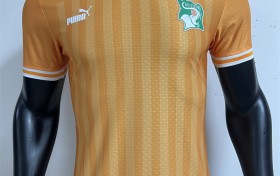
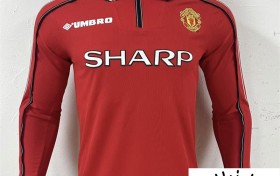
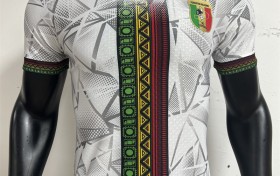
The world of athleisure wear is constantly evolving, with new fabric technologies emerging every day. As an athlete or fitness enthusiast, choosing the right fabric for your workout attire is crucial for comfort, performance, and style. In this article, we will delve into the ultimate comparison of jersey fabric types for athleisure wear, highlighting their unique features, benefits, and drawbacks.
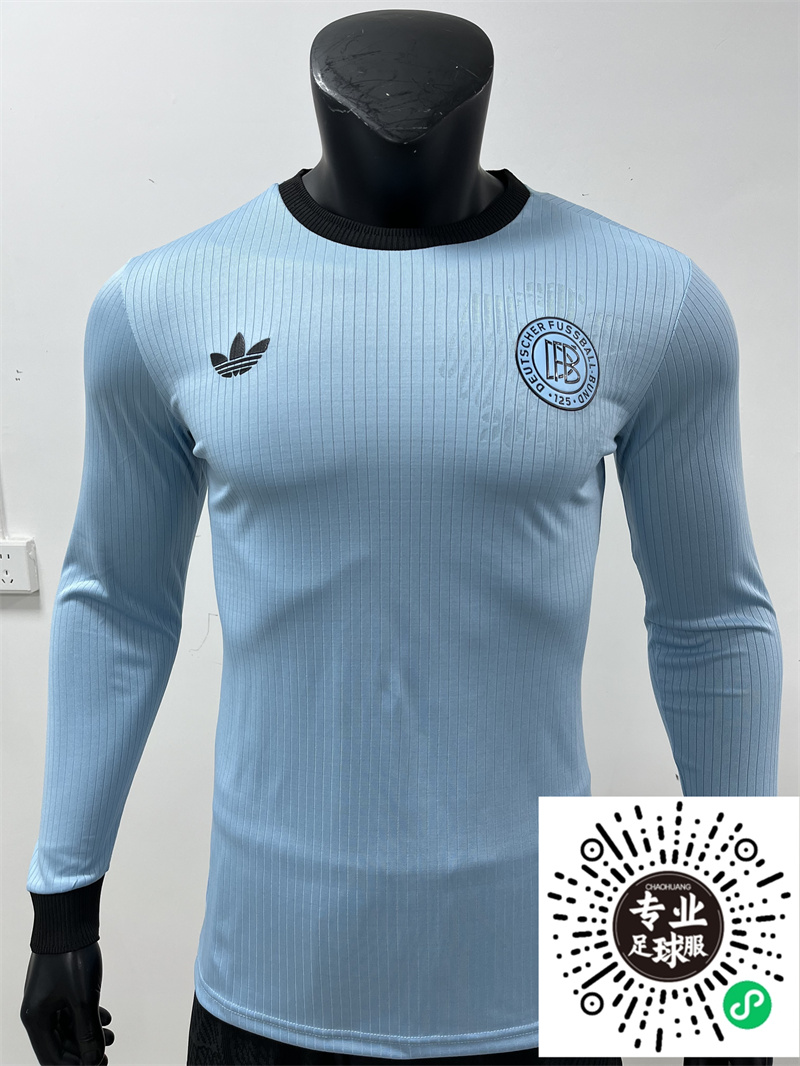
1. Cotton Jersey
Cotton jersey is a popular choice among athletes and casual wearers alike. Made from 100% cotton, this fabric offers excellent breathability and comfort. It is soft, lightweight, and has a relaxed fit, making it perfect for lounging around or engaging in low-intensity activities.
Benefits:
– Highly breathable: Keeps you cool and dry during workouts.
– Comfortable: Soft and gentle on the skin.
– Durable: With proper care, cotton jersey can last for years.
– Eco-friendly: Made from a natural, renewable resource.
Drawbacks:
– Limited moisture-wicking properties: May become damp during intense workouts.
– Prone to shrinkage: Can shrink after washing.
– Absorbs odors: May need to be washed frequently.
2. Polyester Jersey
Polyester jersey is a synthetic fabric that has become increasingly popular in the athleisure market. It is known for its moisture-wicking properties, quick-drying capabilities, and durability. Polyester jersey is a versatile choice for both casual wear and high-performance workouts.
Benefits:
– Excellent moisture-wicking: Pulls sweat away from the skin, keeping you dry.
– Quick-drying: Dries faster than cotton, reducing the risk of chafing.
– Durable: Resists wear and tear, making it a long-lasting option.
– Stretchy: Provides a comfortable, flexible fit.
Drawbacks:
– Less breathable: Can feel hot and clammy during intense workouts.
– Prone to static cling: Can attract lint and dust.
– Less eco-friendly: Made from non-renewable resources.
3. Spandex Jersey
Spandex jersey, also known as elastane or lycra, is a synthetic fabric that offers exceptional stretch and recovery. It is often blended with other materials, such as cotton or polyester, to create a fabric that is both comfortable and functional for athletes.
Benefits:
– High stretch and recovery: Allows for a full range of motion during workouts.
– Comfortable: Soft and gentle on the skin.
– Durable: Retains its shape and elasticity over time.
– Versatile: Can be used for a variety of activities, from yoga to running.
Drawbacks:
– Less breathable: Can feel hot and clammy during intense workouts.
– Prone to pilling: Can develop bobbles and pills over time.
– Less eco-friendly: Made from non-renewable resources.
4. Bamboo Jersey
Bamboo jersey is a sustainable and eco-friendly fabric that has gained popularity in recent years. Made from bamboo fibers, this fabric offers a soft, silky feel and excellent moisture-wicking properties. It is also naturally antibacterial, which makes it a great choice for athletes looking for a clean, odor-free workout experience.
Benefits:
– Highly breathable: Keeps you cool and dry during workouts.
– Odor-resistant: Naturally antibacterial, reducing the need for frequent washing.
– Soft and silky: Offers a luxurious feel against the skin.
– Eco-friendly: Made from a sustainable, renewable resource.
Drawbacks:
– Higher price point: Often more expensive than other jersey fabrics.
– Limited durability: Can be prone to pilling and stretching over time.
In conclusion, the choice of jersey fabric for your athleisure wear depends on your personal preferences, activity level, and environmental concerns. Cotton jersey is ideal for comfort and casual wear, while polyester jersey excels in moisture-wicking and durability. Spandex jersey offers flexibility and recovery, and bamboo jersey provides a sustainable, odor-resistant option. By understanding the unique features and benefits of each fabric type, you can make an informed decision to find the perfect jersey fabric for your workout attire.